What Is Brazilian Jiu-Jitsu? A Beginner's Complete Guide
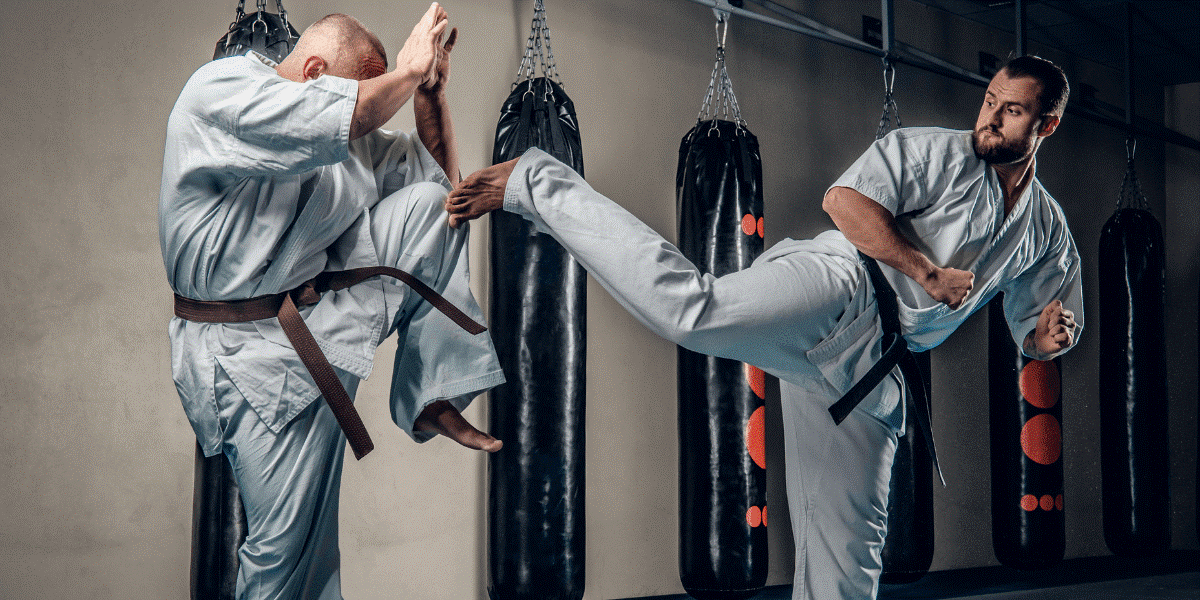
Brazilian Jiu-Jitsu, commonly known as BJJ, is a ground-based martial art and combat sport that focuses on grappling, takedowns, and submission holds. It was developed in Brazil, rooted in the teachings of Japanese Judo and adapted over decades into its own distinct and highly effective system.
Today, it is practiced by millions of people around the world, from competitive fighters and military personnel to everyday people looking to get fit, build confidence, and learn practical self-defense. If you have been curious about BJJ but are not sure where to start, this guide covers everything you need to know before stepping onto the mat for the first time.
What Is the Philosophy Behind Brazilian Jiu-Jitsu?
The philosophy is straightforward: a smaller, well-trained practitioner can neutralize a larger, stronger opponent through proper leverage and technique. That principle has made BJJ one of the most widely respected martial arts in existence. Unlike striking-based arts such as boxing or Muay Thai, BJJ prioritizes controlling an opponent on the ground and using technique, not brute strength, to apply joint locks or choke holds that force a submission.
The Roots of BJJ: Where Did It Come From?
BJJ traces back to early 20th-century Japan. Mitsuyo Maeda, a Japanese Judoka and ground-fighting expert, emigrated to Brazil in 1914 and taught his grappling art to Carlos Gracie. The Gracie family, particularly Hélio Gracie, refined the system to emphasize ground fighting, positional control, and submissions, eventually shaping it into what we now call Brazilian Jiu-Jitsu.
Today, BJJ is practiced by millions worldwide, from elite MMA fighters to everyday people seeking fitness and personal empowerment.
Core Principles That Define BJJ
Understanding why BJJ works the way it does can help you appreciate it far more quickly once you start training. These foundational ideas aren't just theoretical; they show up in every class, every drill, and every roll.
Technique Over Strength
BJJ is often called "the gentle art," and that nickname is intentional. The system was specifically designed so that skilled technique beats raw power. This is why people of all ages, sizes, and fitness levels can train together effectively.
Positional Hierarchy
In BJJ, not all positions are created equal. There's a clear hierarchy of dominant and inferior positions, and understanding it is key to progressing as a grappler. From most dominant to least:
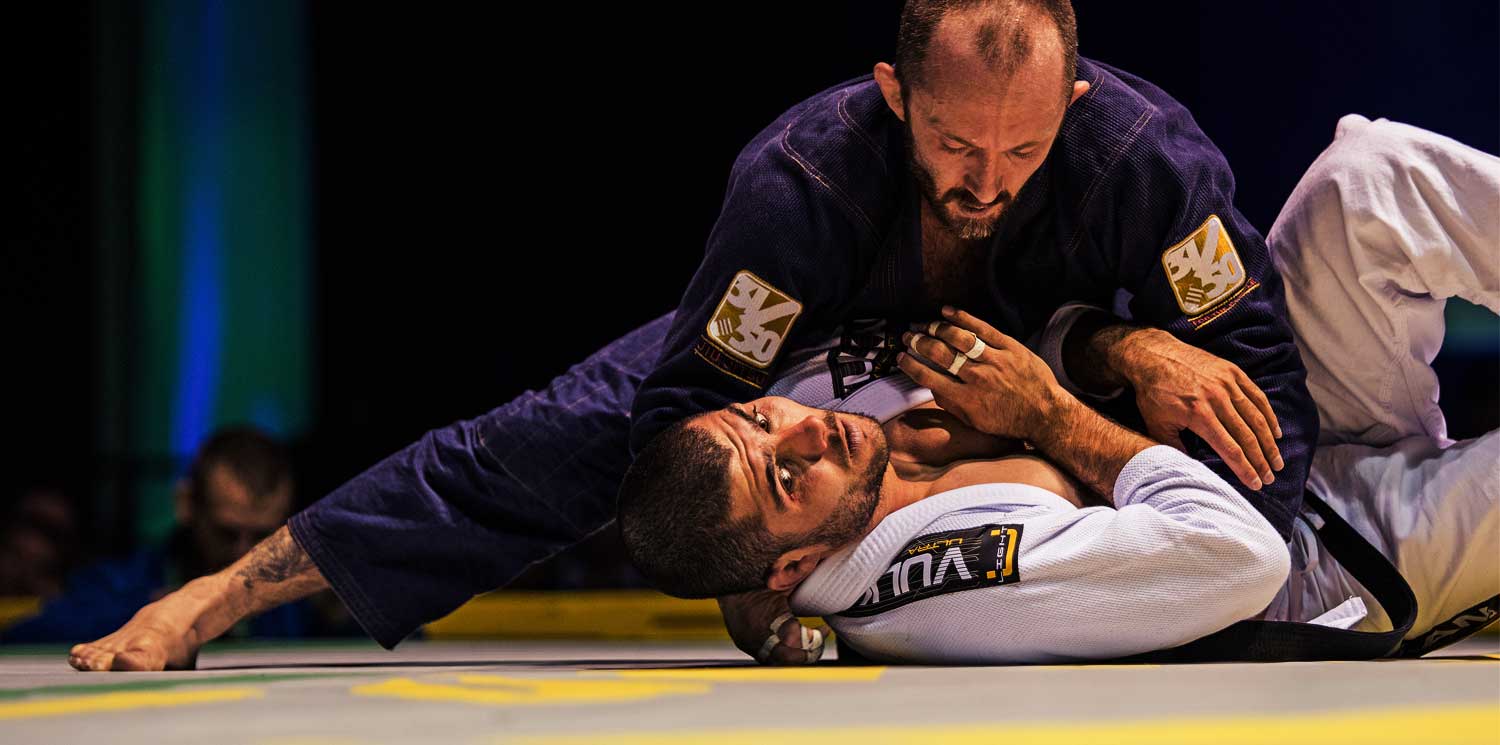
● Mount: Sitting on top of your opponent's torso
● Back control: Controlling your opponent from behind
● Side control: Controlling from the side of your opponent
● Half guard: One leg trapped between the opponent's legs
● Guard: On your back with legs wrapped around the opponent
Submissions: The End Goal
A submission is a joint lock or choke that forces your opponent to "tap out," signaling defeat. Common submissions include the rear naked choke, triangle choke, armbar, and kimura. Tapping is not failure; it's how practitioners train safely and live to roll another day.
What to Expect From Brazilian Jiu-Jitsu Training
Starting any new martial art can feel overwhelming, and Brazilian Jiu-Jitsu training is no different. Most BJJ classes follow a consistent structure that helps beginners feel oriented quickly:
Structure of a BJJ Class
● Warm-up: Dynamic stretches and movement drills that build the motor patterns used in live training
● Technique instruction: The instructor demonstrates a position, submission, or escape
● Drilling: Students pair up and repeat the technique cooperatively to build muscle memory
● Positional sparring: Controlled sparring from specific positions to practice what was taught
● Free rolling: Full live sparring where students apply everything they've learned
As a beginner, the goal in early classes is simply to absorb concepts, build movement habits, and start understanding the positional vocabulary of BJJ.
The Belt System in BJJ
The BJJ belt system is among the most rigorous in all martial arts. Progression is earned, not given, and reflects genuine skill development. The adult belt ranks are:
● White: Beginner
● Blue: Foundational knowledge established
● Purple: Intermediate; developing personal game
● Brown: Advanced, near mastery of fundamentals
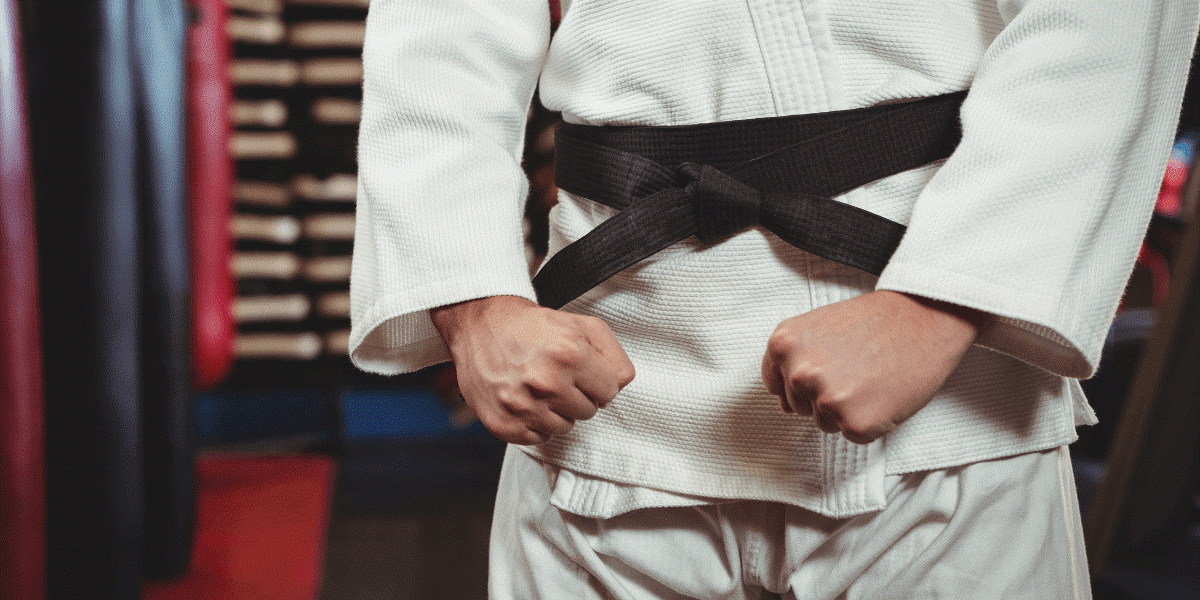
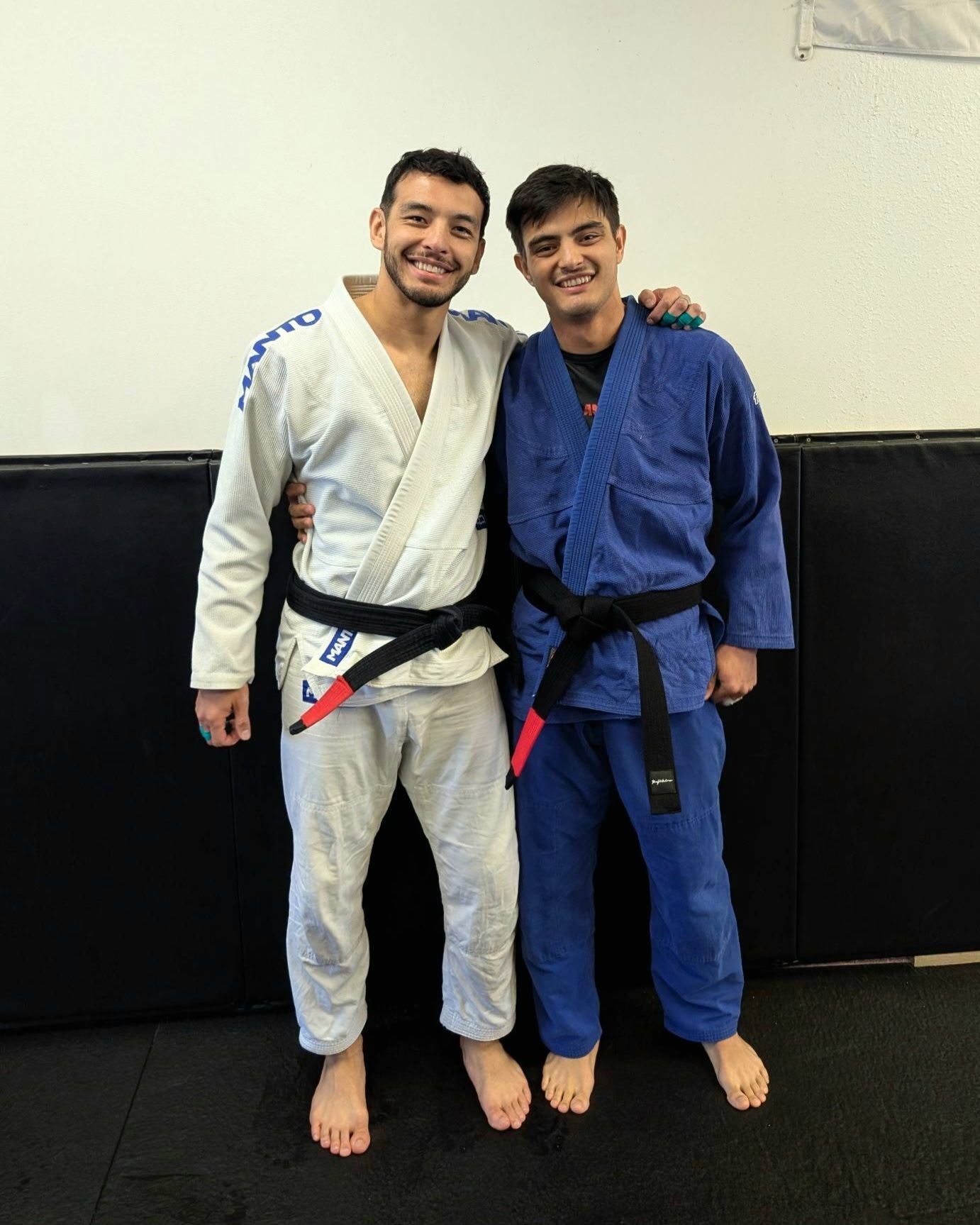
● Black: Expert level, typically takes 10+ years
Each belt contains up to four stripes marking incremental progress before promotion.
Dress Code for BJJ Class
One of the most common questions new students ask is: “What should I wear to a BJJ class?” The answer depends on the type of class you're attending.
Gi vs. No-Gi: What's the Difference?
BJJ is trained in two main formats:
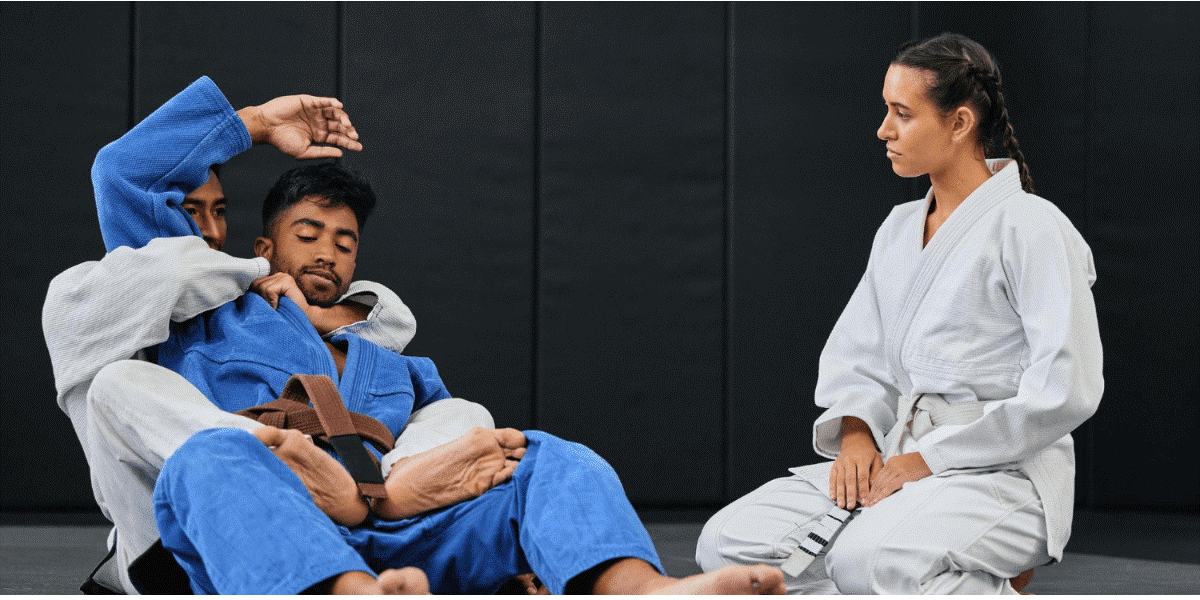
● Gi (kimono): The traditional jacket, pants, and belt uniform. The gi enables grip-based techniques using the collar and sleeves, slower-paced and considered more technical.
● No-Gi: Shorts and a rash guard or compression shirt. Faster-paced and focused on body control rather than grip-based techniques.
For absolute beginners, starting with Gi is often recommended because the slower pace allows more time to understand positions.
What to Bring on Day One
If you don't yet own a gi, most schools will allow comfortable athletic clothes, compression shorts or spats, and a fitted t-shirt or rash guard. Avoid clothing with zippers, buttons, or pockets that could catch fingers or toes. Once you commit, a quality IBJJF-compliant gi is a worthwhile investment.
How Dangerous Is BJJ Compared To Other Martial Arts?
The reality is that BJJ carries a favorable safety profile for a combat sport. With no striking involved, the risk of concussions and facial injuries is significantly lower than in boxing or kickboxing. Most injuries are orthopedic, such as joint sprains and muscle strains, similar to wrestling or Judo.
How Academies Keep Training Safe
Reputable BJJ schools use several protocols to reduce risk:
● Tapping early and often: Students tap before submissions become dangerous, and partners release immediately
● Controlled sparring: Beginners are typically paired with experienced training partners who manage the pace
● Progressive resistance: New students drill before engaging in live sparring
● Coach supervision: Instructors monitor rounds and step in when needed
Training with a humble, patient mindset keeps the mat safe for the vast majority of practitioners.
Is BJJ Effective for Self-Defense?
Without question, yes, BJJ is effective for self-defense. Self-defense applicability is one of the foundational reasons the Gracie family developed the art in the first place. A significant portion of real-world confrontations end up on the ground, and BJJ specifically prepares practitioners for that reality.
Because BJJ training involves resisting live opponents, not just preset drills, techniques are pressure-tested consistently. When you roll, your partner is genuinely trying to submit you. That resistance builds real, usable skills that hold up outside the gym.
The Benefits of BJJ: Physical, Mental, and Social
Beyond self-defense, BJJ delivers a wide range of benefits that keep people coming back for years.
Physical Fitness
BJJ is a full-body workout. A single session burns significant calories, builds functional strength, improves cardiovascular endurance, and develops flexibility and coordination. Consistent training produces noticeable physical transformation.
Mental Resilience and Community
There's a reason BJJ practitioners often describe the mat as their therapy. Learning to stay calm under pressure, solve problems in real time, and embrace being a beginner builds mental toughness that carries into everyday life. Walk into any legitimate BJJ academy, and you'll also feel the community immediately, genuine friendships, mentorships, and bonds formed by people who sweat and struggle together.
BJJ for Kids: Building Confidence From a Young Age
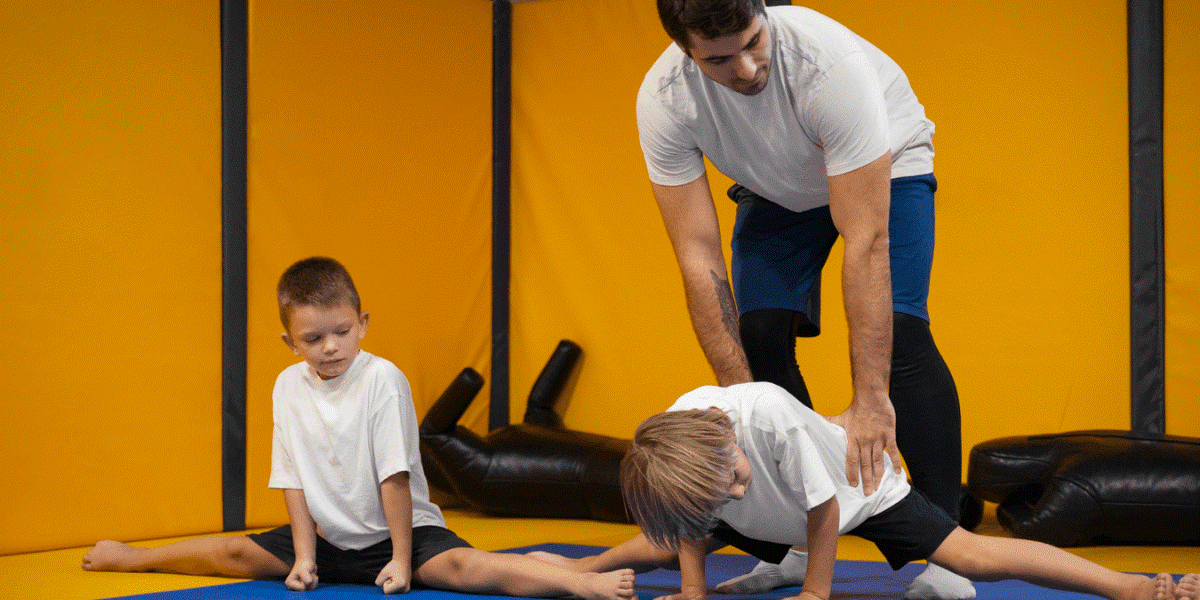
BJJ isn't just for adults. Youth programs are among the fastest-growing segments of the martial arts world. Kids who train BJJ develop self-discipline, body awareness, focus, and the ability to manage conflict without aggression, all in a structured, supportive environment.
Frequently Asked Questions
1. Do I need to be in shape before starting BJJ?
No. BJJ training itself will get you in shape. Most academies welcome complete beginners regardless of fitness level, and the physical demands increase naturally as your skill improves.
2. How often should a beginner train BJJ?
Two to three times per week is ideal. This frequency allows your body to recover while still giving you enough mat time to absorb and retain new techniques.
3. Will I get hurt on my first day?
Injuries can occur during any activity, but a reputable academy greatly reduces that risk. Most beginners get through early classes without injury by tapping early and communicating openly with training partners.
4. How long does it take to get a blue belt in BJJ?
Most dedicated students earn their blue belt within one to two years of consistent training, though progression is highly individual and depends on frequency, aptitude, and academy standards.
Final Thoughts
Brazilian Jiu-Jitsu offers a path that meets you exactly where you are, whether you're a complete beginner or someone who has explored other martial arts. It's technical enough to keep you engaged for a lifetime, practical enough to provide genuine self-defense skills, and community-driven enough to make every class worthwhile.
If you're ready to take the first step, The Sanctuary BJJ offers both adult and youth programs to get you started on the right foot. From beginner-friendly adult classes to the best BJJ & Judo classes for kids in Colorado, we offer a welcoming environment for all ages. Contact us for all types of martial arts training in Lakewood!