Why Brazilian Jiu-Jitsu Is One of the Most Effective Self-Defense Systems
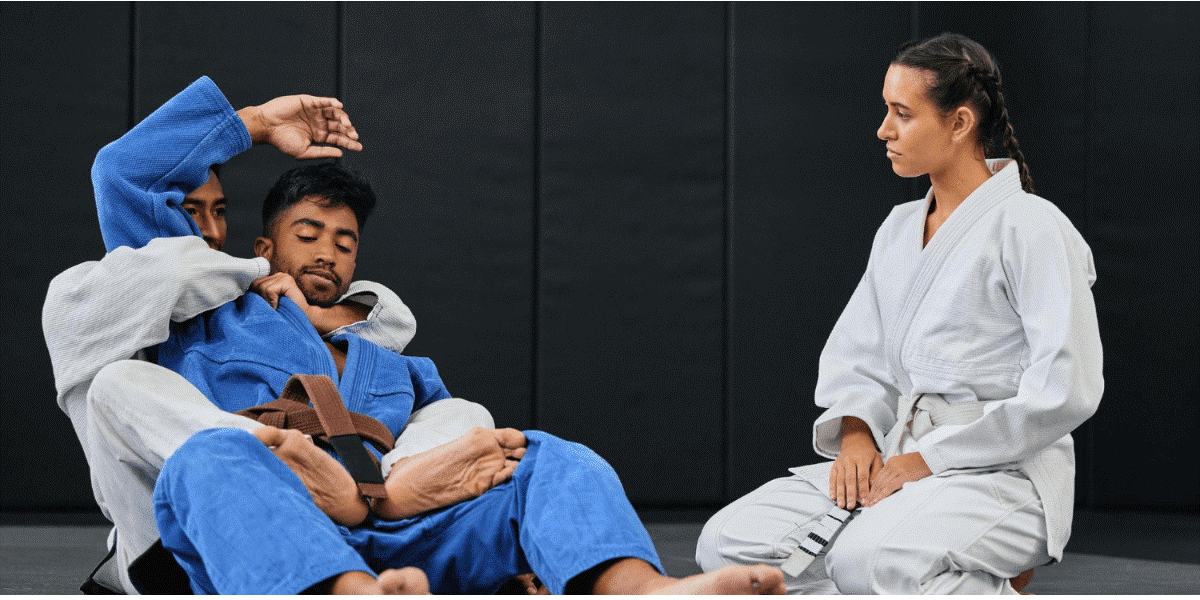
You never know when you might face a difficult situation, but you can decide how prepared you want to be. Learning practical skills that help you stay calm, think clearly, and respond with confidence can make a real difference.
That is one reason so many people are choosing Brazilian Jiu Jitsu. It is more than a combat sport. It teaches control, awareness, and problem-solving under pressure. Instead of depending on strength alone, it helps people develop techniques that work against larger or stronger opponents. That practical approach has made it one of the most respected systems for personal protection worldwide.
What Makes Brazilian Jiu-Jitsu So Effective for Personal Protection?
Many martial arts focus on striking, but Brazilian Jiu-Jitsu places a strong emphasis on controlling an opponent through positioning, balance, and technique. Since many real-life confrontations ultimately involve close contact, these skills become highly valuable.
The following are key reasons BJJ is widely recognized as one of the most effective systems for personal protection. Each benefit helps develop practical skills that can make a meaningful difference in real-life situations.
1. Focuses on Technique Instead of Size
One of the greatest strengths of Brazilian Jiu-Jitsu is its ability to help smaller individuals defend themselves against larger attackers. Proper body positioning, timing, and leverage allow students to reduce the advantage of raw strength.
During practice, people learn to use movement and angles rather than trying to overpower someone. This makes the art accessible for adults of different ages, fitness levels, and body types who want realistic self-protection skills.
2. Realistic Practice Builds Better Reactions
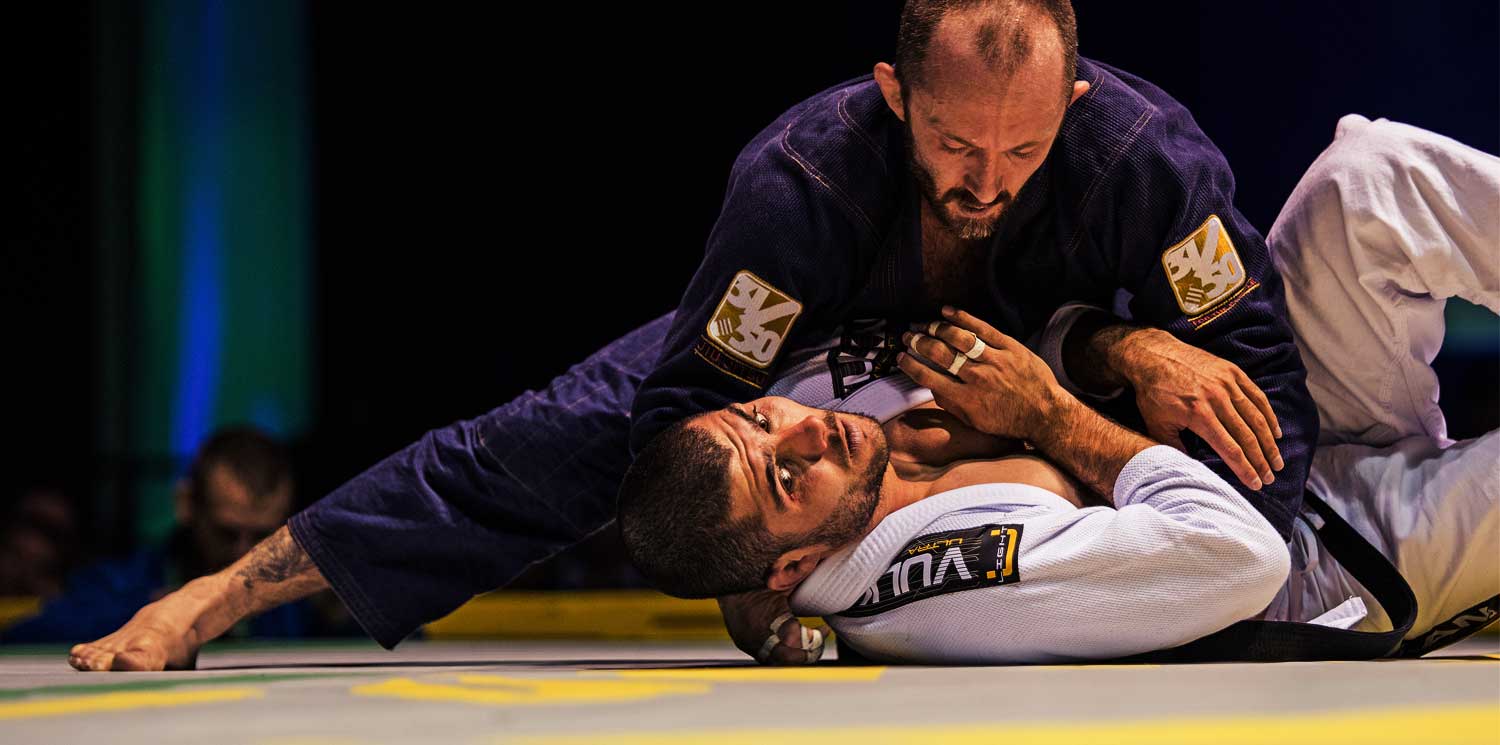
Many forms of self-defense training rely heavily on rehearsed movements. In contrast, BJJ includes live sparring, often called rolling, where students practice techniques against resisting partners in a controlled environment.
This regular practice teaches quick decision-making under pressure. Students become familiar with real resistance, making their reactions more natural if they ever face an actual confrontation.
3. Ground Defense is a Major Advantage
Many physical altercations end up on the ground. Someone who has never trained may struggle once balance is lost, while a BJJ practitioner has already spent countless hours learning how to move, escape, and regain control in that exact position.
This focus gives students practical skills that many other martial arts spend less time developing. Knowing how to protect yourself on the ground can completely change the outcome of a dangerous encounter.
4. Control Comes Before Aggression
One important lesson taught in BJJ classes is that winning a fight is not always about causing harm. Students learn techniques that help control an aggressive person while reducing unnecessary injury. This approach promotes responsibility and discipline. It also gives people more options in stressful situations, rather than reacting in panic or with excessive force.
5. Confidence Grows Through Experience
Confidence does not appear overnight. It develops through repeated practice and by learning to stay calm in challenging situations. Every class gives students opportunities to solve problems under pressure. Over time, this builds quiet confidence instead of overconfidence. People often notice improvements not only on the mats but also in daily life, including better communication, stronger focus, and greater emotional control.
6. Physical Fitness Supports Better Performance
Regular martial arts training naturally improves strength, flexibility, endurance, balance, and coordination. Unlike repetitive gym routines, each class involves movement that keeps both the body and mind active.
Students often enjoy workouts because each session presents new challenges. Better physical conditioning also supports quicker reactions and improved mobility during high-pressure situations.
7. Situational Awareness Improves Naturally
Good personal protection begins long before physical contact happens. Students become more aware of their surroundings, learn how to recognize potential risks, and understand the importance of avoiding conflict whenever possible.
Good instructors regularly remind students that prevention is always the best outcome. These habits become part of daily life and help reduce unnecessary risks
Skills You Develop Through BJJ Self Defense Training
Learning self-defense training through BJJ offers much more than physical techniques. Students gain valuable life skills that continue growing with consistent practice.
1. Better Problem-Solving Under Pressure
Every training session presents new situations that require quick thinking. Students constantly adjust positions, defend attacks, and create opportunities to escape or control an opponent. This repeated problem-solving sharpens decision-making and encourages calm thinking during stressful moments, both inside and outside the gym.
2. Emotional Control During Stress
Fear and panic can affect judgment during difficult situations. Rolling with training partners teaches students to stay calm under pressure. Over time, they become more comfortable making smart decisions, even when physically challenged. This emotional control often carries into work, school, and everyday interactions.
3. Discipline That Carries into Daily Life
Consistent attendance, respectful behavior, and continuous improvement are core parts of BJJ culture. Students learn patience because progress happens gradually. Small improvements add up over months and years, creating lasting habits that support personal growth in many areas beyond the training mat.
4. Improved Body Awareness and Balance
One valuable skill students gain through BJJ is improved body awareness. Training teaches you how to move efficiently, maintain balance, and control your posture during different situations. These improvements support faster reactions, better coordination, and greater confidence during physical activities, both inside and outside the training academy.
5. Greater Resilience and Perseverance
BJJ encourages students to keep learning through challenges instead of giving up after setbacks. Every difficult training session becomes an opportunity to improve technique and mindset. Over time, this builds resilience, patience, and determination, helping students approach everyday obstacles with a more confident and positive attitude.
Common Misunderstandings About Brazilian Jiu-Jitsu
Here are some of the most common misconceptions people have about Brazilian Jiu-Jitsu. Understanding the facts can help beginners approach training with realistic expectations and greater confidence.
1. It is Not Just for Professional Fighters
Many people assume BJJ is only suitable for athletes or competitors. In reality, most students train for fitness, confidence, and practical personal protection. Classes usually include people of different ages, occupations, and experience levels.
2. Strength Is Not the Main Requirement
Beginners often believe they need exceptional strength before joining. The opposite is usually true. BJJ teaches students how to use body mechanics and positioning effectively. As technique improves, physical strength becomes less important than proper execution.
3. It is Suitable for Long-Term Learning
Some activities become repetitive after a short time, but BJJ continues presenting new challenges. Every class offers different training partners, situations, and techniques. This constant variety keeps learning interesting and motivates students to continue improving year after year.
Tips for Getting the Most Out of Your Training
Building practical skills takes time, but a few habits can help speed up progress.
- Attend BJJ classes consistently rather than training only occasionally.
- Focus on learning correct technique before trying advanced moves.
- Listen carefully to instructor feedback and apply it during practice.
- Train with different partners to experience different body types and styles.
- Stay patient because steady improvement leads to lasting results.
- Maintain good physical health through proper rest, hydration, and balanced nutrition.
- Treat every training session as a chance to learn something new.
Why Consistency Matters More Than Talent
Many beginners worry about learning slowly or making mistakes. In reality, steady attendance has a much greater impact than natural ability. Every class builds upon previous lessons, helping movements become smoother and more instinctive over time. Small improvements may seem minor during a single week, but months of regular practice create noticeable growth.
People who stay committed often develop greater confidence, sharper reactions, and better overall skills simply because they continue to show up and learn.
FAQs
1. Is Brazilian Jiu-Jitsu suitable for complete beginners?
Yes. BJJ welcomes beginners of all ages and fitness levels. Classes usually start with basic movements and techniques, allowing new students to learn at a comfortable pace while gradually building confidence, coordination, and practical skills through regular practice.
2. How long does it take to learn practical skills in BJJ self-defense training?
Many students begin learning useful techniques within the first few months of consistent practice. Progress depends on regular attendance, quality instruction, and repetition, but even beginners can develop better awareness, confidence, and defensive abilities early in their training.
3. What should I expect during my first class?
The starting BJJ classes typically include a warm-up, basic technique instruction, partner drills, and instructor guidance. Most beginner classes focus on learning safely, asking questions, and becoming comfortable with the movements rather than intense physical competition.
4. Does martial arts training help improve fitness?
Yes. Regular training improves strength, flexibility, balance, endurance, and coordination. Every class combines movement, technique, and controlled practice, creating a full-body workout that supports better overall health while developing practical skills and increasing physical confidence.
5. Can BJJ help build confidence outside the gym?
Absolutely. Regular practice teaches discipline, patience, and calm decision-making under pressure. As students improve their skills and overcome challenges during training, they often carry greater confidence, focus, and emotional control into everyday situations.
Final Thoughts
Real confidence comes through preparation, steady practice, and the ability to stay calm during difficult moments. Learning practical skills that help protect yourself while developing discipline, patience, and clear thinking offers lasting value far beyond physical ability. The lessons gained on the mat often become useful in everyday life, helping people face challenges with greater composure, stronger focus, and a positive mindset.
Ready to build real skills while joining a welcoming community? The Sanctuary BJJ offers expert instruction where beginners and experienced students can continue improving together. Step onto the mat, challenge yourself, and discover how consistent practice can build confidence, resilience, and practical skills that stay with you for years to come.