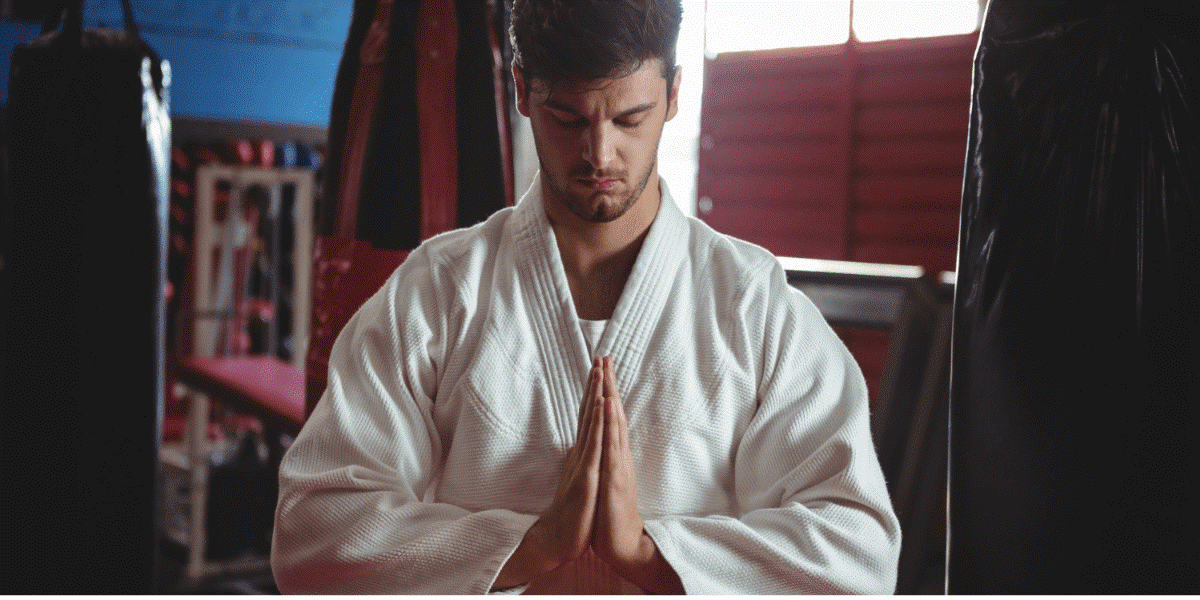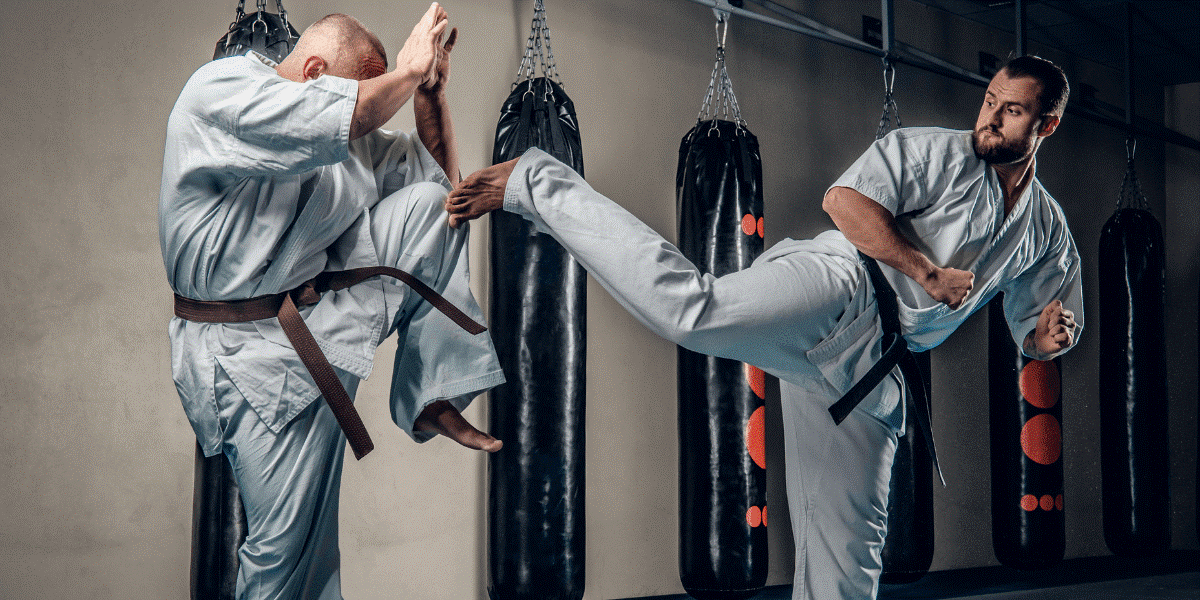
What Age Should Kids Start Brazilian Jiu-Jitsu?
Ben Lowry • August 14, 2026

Brazilian Jiu-Jitsu has become a popular activity for children because it combines physical exercise, discipline, problem-solving, and confidence-building skills. Parents often ask about the right time to introduce their child to the sport. The ideal starting age depends on a child’s maturity, ability to follow instructions, comfort in a group setting, and interest in learning.

Unlike many competitive sports that focus mainly on physical ability, Brazilian Jiu-Jitsu teaches children how to use technique, patience, and strategy. Young students learn body awareness, coordination, and respect while practicing movements in a controlled environment with trained instructors.

The growing popularity of youth martial arts programs shows that many families are choosing structured training activities that support both physical and personal development.


What is the Right Age to Start Brazilian Jiu-Jitsu?

There is no single age that works for every child. Many Brazilian Jiu-Jitsu academies offer introductory programs for children as young as three or four years old, while others begin structured classes around age five or six.

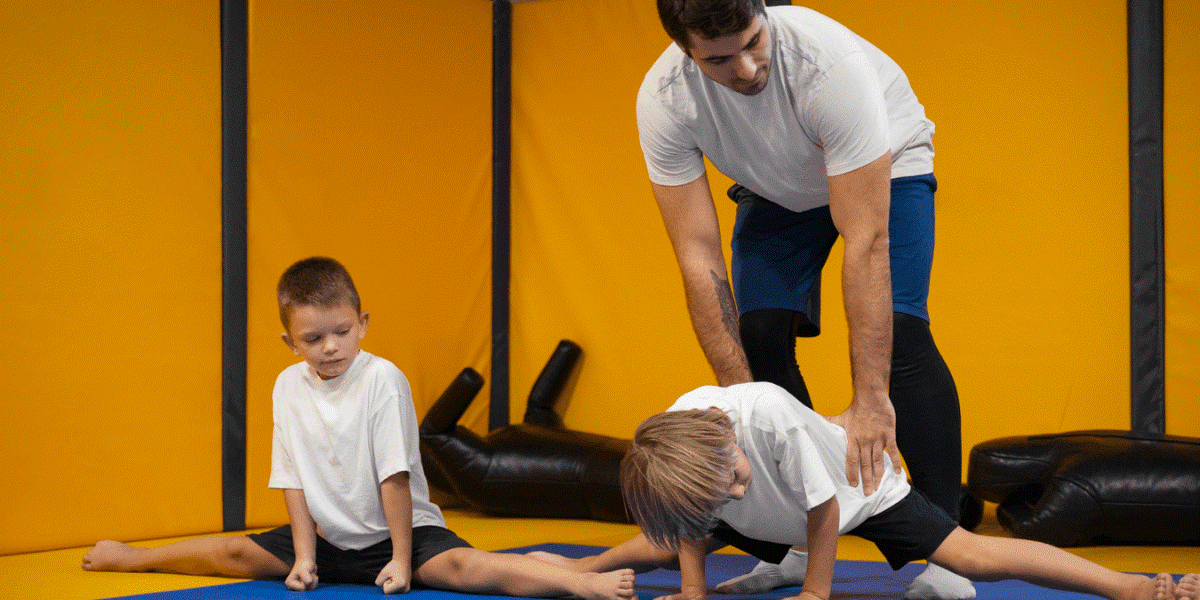
For younger children, classes usually focus on movement, coordination, listening skills, and basic safety concepts rather than advanced techniques or competition. Older children can often handle more detailed instruction because they have improved attention spans and physical control.

The best starting point is usually when a child can:

  • Follow simple instructions from a coach
  • Participate comfortably around other children
  • Understand basic safety rules
  • Communicate when they feel uncomfortable
  • Enjoy physical activities and learning new skills

Parents should consider readiness rather than focusing only on age. A mature five-year-old may be ready before another child who is seven.


Understanding the Brazilian Jiu-Jitsu Age Range

The Brazilian Jiu-Jitsu age range for kids commonly begins around four or five years old and continues through the teenage years. Many academies separate children into groups based on age and skill level so instructors can provide appropriate training.

Younger students usually learn through games, movement drills, and simple exercises. Older children gradually develop more technical skills, including positions, escapes, and controlled sparring. A structured program helps children build confidence while learning at a pace that matches their development.

Age Group Training Focus Development Goals
3 to 5 years old Movement games, balance, coordination Listening skills, confidence, body awarenessild consistency
6 to 9 years old Basic techniques, teamwork, discipline Skill development, focus, physical fitness
10 to 13 years old More technical training and controlled sparring Strategy, problem-solving, confidence
14+ years old Advanced techniques and competition preparation Leadership, athletic development

This age breakdown represents common coaching practices. Individual readiness can vary depending on personality, physical development, and previous experience.


Why Parents Choose Brazilian Jiu-Jitsu for Kids

Many parents choose Brazilian Jiu-Jitsu for children because it provides physical activity while teaching important life skills.

Children often spend significant time using screens and sitting during school hours. Organized martial arts training creates an opportunity for regular movement and exercise.

According to the Centers for Disease Control and Prevention (CDC), children and adolescents ages 6 to 17 should participate in at least 60 minutes of physical activity daily. Martial arts programs can contribute to this goal by improving strength, endurance, balance, and coordination.

Beyond physical benefits, Brazilian Jiu-Jitsu can help children develop:


·      Confidence

Children learn that progress comes from practice and patience. Successfully learning new movements can improve self-confidence both inside and outside the academy.


·      Discipline

Training requires students to listen, follow instructions, and respect training partners. These habits can support positive behavior in other areas of life.


·      Problem-Solving Skills

Brazilian Jiu-Jitsu is frequently referred to as physical chess due to the necessity for students to strategize through various scenarios. Children learn how to make decisions while staying calm under pressure.


·      Social Skills

Training with classmates teaches cooperation, communication, and respect. Children learn that improvement happens through working with others.


Is Preschool Age Too Young For Jiu-Jitsu?

Many parents wonder if children under six are too young to begin training. Preschool programs are usually different from traditional martial arts classes because they focus on basic movement skills rather than intense technical instruction.

For younger children, instructors typically introduce:

  • Balance exercises
  • Coordination activities
  • Listening games
  • Basic movement patterns
  • Respect and classroom behavior

The goal at this stage is creating a positive relationship with physical activity. Children who enjoy early classes may develop stronger interest and confidence as they grow.

Parents looking for a safe and supportive introduction to martial arts can consider Jiu-Jitsu in Littleton at The Sanctuary BJJ, where children can develop coordination, confidence, and essential skills through age-appropriate training. With experienced instruction and a positive environment, young students can begin building a strong foundation from an early age.


How Brazilian Jiu-Jitsu Supports Child Development

Structured martial arts programs can support children’s overall development by improving physical fitness, focus, self-control, and social skills. Through regular training, children learn coordination, discipline, patience, and problem-solving while developing confidence in a positive and supportive environment.

Brazilian Jiu-Jitsu provides a unique combination of physical and mental challenges. Children are not only learning movements but also practicing patience, emotional control, and decision-making. Parents looking for BJJ for kids often choose programs that provide a balance between learning techniques and building character.


Choosing the Right Time Based on Your Child’s Needs

Parents should also consider the child’s personality, comfort level, and goals. A child who enjoys group activities and follows directions may benefit from starting earlier. A child who feels nervous in new environments may need additional time before joining structured classes.

The right academy also matters. A quality children’s program should have:

  • Experienced instructors
  • A safe training environment
  • Age-appropriate lessons
  • Positive coaching methods
  • Clear communication with parents

Many families begin with trial classes to help children understand what training involves before making a long-term commitment.


Benefits of Starting Brazilian Jiu-Jitsu At Different Ages

Children can gain valuable skills from Brazilian Jiu-Jitsu at different stages of development. The benefits may change depending on age, experience, and personal goals.

Younger children often focus on movement, confidence, and social interaction, while older children can begin developing more advanced techniques and strategic thinking.

Age Range Key Benefits
Ages 3 to 5 Builds coordination, confidence, listening skills, and comfort in a group environment
Ages 6 to 9 Improves discipline, fitness, teamwork, and basic technical understanding
Ages 10 to 13 Develops problem-solving, focus, confidence, and stronger technical abilitiesndamentals
Ages 14 and older Supports advanced skill development, competition readiness, and leadership

How Adults Can Balance BJJ with Everyday Life

Many adults juggle careers, parenting, school, and other responsibilities. Training should fit into daily life instead of creating unnecessary stress.

A practical BJJ training routine for adults usually includes three weekly classes with enough flexibility to accommodate changing schedules.

Attending consistent class times also helps establish routine. Students who reserve specific evenings for training often find it easier to stay committed throughout the year. Outside the academy, maintaining healthy nutrition, hydration, and sleep habits supports recovery and keeps energy levels high during training sessions.


Adding Strength Training without Overdoing It

Brazilian Jiu-Jitsu develops endurance and technical skill, but additional strength work can improve performance when programmed carefully. The Sanctuary BJJ encourages students to complement their mat training with strength training group fitness classes once or twice each week to build overall athletic performance while supporting safe, steady progress. These sessions can improve muscular endurance, stability, and overall athletic performance without replacing mat time.

Strength sessions should complement Brazilian Jiu-Jitsu instead of creating excessive fatigue. Heavy lifting immediately before hard sparring sessions may reduce performance and increase soreness, so scheduling matters.

Research from the American College of Sports Medicine recommends resistance training at least two days per week for adults to improve muscular fitness and overall health. This recommendation fits well alongside a balanced Brazilian Jiu-Jitsu schedule.


Finding the Best Balance Between Progress and Recovery

More training does not always produce faster improvement. Students who consistently attend classes, recover properly, and remain injury-free often make better long-term progress than those who train excessively for short periods.

For most beginners, the best BJJ training schedule includes two to three quality classes each week, followed by adequate recovery before the next session. As conditioning improves and technical knowledge grows, additional sessions can gradually be added without sacrificing performance or enjoyment.


Signs You May Be Training Too Much

Training hard is valuable, but too much training without enough recovery can slow progress. Overtraining affects both physical performance and mental focus, making it difficult to absorb new techniques.

Some common warning signs include:

  • Constant muscle soreness that lasts several days
  • Reduced performance during sparring
  • Poor sleep quality
  • Low motivation to attend class
  • Frequent minor injuries
  • Feeling unusually tired throughout the day

Can You Train Brazilian Jiu-Jitsu Every Day?

Training every day is possible for experienced practitioners, but it is not necessary for most students. Competitive athletes often train five or six days each week because they follow structured programs that include recovery strategies, proper nutrition, mobility work, and carefully planned training intensity. Their schedule is also supervised by experienced coaches.

For recreational students, daily training may increase the chance of fatigue and overuse injuries. Missing recovery can also make it harder to remember techniques because mental focus declines when the body is exhausted. A smarter approach is maintaining a schedule that supports steady improvement over months and years instead of chasing quick results.


How Recovery Helps Skill Development

According to the Centers for Disease Control and Prevention, adults should aim for at least seven hours of sleep each night for optimal health. Good sleep supports muscle repair, reaction time, concentration, and learning. Nutrition is equally important. Consuming enough protein, carbohydrates, and fluids helps replenish energy stores after demanding training sessions.

Active recovery can also support progress. Walking, stretching, yoga, and light mobility exercises encourage blood flow without placing additional stress on sore muscles. Students who recover well often return to class feeling energized and ready to absorb new techniques.


Quality Always Beats Quantity: Smart Tips

Attending more classes does not automatically create better results. The quality of each session matters much more than simply increasing attendance.

Students make better progress when they:

·      Focus During Instruction

Paying close attention to demonstrations helps reduce mistakes and improves understanding of each technique.

·      Drill with Purpose

Repeating techniques carefully builds muscle memory far better than rushing through repetitions.

·      Roll with Different Training Partners

Training with people of different sizes, experience levels, and styles exposes students to new situations and improves adaptability.

·      Review Techniques outside Class

Watching instructional videos, taking notes, or mentally reviewing techniques can reinforce learning between sessions without adding physical fatigue.


FAQs

1.   How many times a week should I train BJJ?

Most beginners benefit from training two to three times each week. Intermediate students often attend three to four classes, while advanced practitioners may train four to six times weekly if recovery is well managed.


2.   Can you train BJJ every day?

Yes, experienced athletes can train every day if they have proper recovery, nutrition, and coaching. Most recreational students make excellent progress with three or four quality sessions each week.


3.   Is strength training helpful for Brazilian Jiu-Jitsu?

Yes. Two strength sessions each week can improve stability, grip strength, power, and injury resistance when balanced with regular Brazilian Jiu-Jitsu training.


4.   How can I improve faster in BJJ?

Consistent attendance, focused drilling, quality sparring, good sleep, proper nutrition, and regular review of techniques all help students improve more efficiently while reducing the risk of injury.


Bottom Line

There is no universal answer to how often someone should train Brazilian Jiu-Jitsu each week. The ideal schedule depends on experience, recovery, fitness level, and personal goals.

For most beginners, two or three quality classes each week provide an excellent foundation. Intermediate students often benefit from three or four sessions, while experienced practitioners may successfully train more frequently if recovery remains a priority.

Long-term success comes from consistency, smart recovery, and focused practice rather than simply spending more hours on the mats. A well-rounded schedule enables students to keep progressing while minimizing the chances of exhaustion or injury.

Enhance every session with professional group personal training at The Sanctuary BJJ. Get started today and build the strength, endurance, and confidence to keep progressing on the mats.
By Ben Lowry August 14, 2026
Train Brazilian Jiu-Jitsu 2–4 times weekly for steady progress, better technique, fitness, and recovery. Find the ideal training schedule for you.
By Ben Lowry July 7, 2026
Discover why Brazilian Jiu-Jitsu is one of the best self-defense systems for real-life situations, building confidence, control, and safety.
By Ben Lowry July 7, 2026
Discover the mental benefits of Brazilian Jiu-Jitsu, including stress relief, confidence, focus, discipline, and improved emotional resilience
By Ben Lowry June 15, 2026
Brazilian Jiu-Jitsu, commonly known as BJJ, is a ground-based martial art and combat sport that focuses on grappling, takedowns, and submission holds. It was developed in Brazil, rooted in the teachings of Japanese Judo and adapted over decades into its own distinct and highly effective system. Today, it is practiced by millions of people around the world, from competitive fighters and military personnel to everyday people looking to get fit, build confidence, and learn practical self-defense. If you have been curious about BJJ but are not sure where to start, this guide covers everything you need to know before stepping onto the mat for the first time. What Is the Philosophy Behind Brazilian Jiu-Jitsu ? The philosophy is straightforward: a smaller, well-trained practitioner can neutralize a larger, stronger opponent through proper leverage and technique. That principle has made BJJ one of the most widely respected martial arts in existence. Unlike striking-based arts such as boxing or Muay Thai, BJJ prioritizes controlling an opponent on the ground and using technique, not brute strength, to apply joint locks or choke holds that force a submission. The Roots of BJJ: Where Did It Come From? BJJ traces back to early 20th-century Japan. Mitsuyo Maeda, a Japanese Judoka and ground-fighting expert, emigrated to Brazil in 1914 and taught his grappling art to Carlos Gracie. The Gracie family, particularly Hélio Gracie, refined the system to emphasize ground fighting, positional control, and submissions, eventually shaping it into what we now call Brazilian Jiu-Jitsu. Today, BJJ is practiced by millions worldwide, from elite MMA fighters to everyday people seeking fitness and personal empowerment. Core Principles That Define BJJ Understanding why BJJ works the way it does can help you appreciate it far more quickly once you start training. These foundational ideas aren't just theoretical; they show up in every class, every drill, and every roll. Technique Over Strength BJJ is often called "the gentle art," and that nickname is intentional. The system was specifically designed so that skilled technique beats raw power. This is why people of all ages, sizes, and fitness levels can train together effectively. Positional Hierarchy In BJJ, not all positions are created equal. There's a clear hierarchy of dominant and inferior positions, and understanding it is key to progressing as a grappler. From most dominant to least: ● Mount: Sitting on top of your opponent's torso ● Back control: Controlling your opponent from behind ● Side control: Controlling from the side of your opponent ● Half guard: One leg trapped between the opponent's legs ● Guard: On your back with legs wrapped around the opponent Submissions: The End Goal A submission is a joint lock or choke that forces your opponent to "tap out," signaling defeat. Common submissions include the rear naked choke, triangle choke, armbar, and kimura. Tapping is not failure; it's how practitioners train safely and live to roll another day. What to Expect From Brazilian Jiu-Jitsu Training Starting any new martial art can feel overwhelming, and Brazilian Jiu-Jitsu training is no different. Most BJJ classes follow a consistent structure that helps beginners feel oriented quickly: Structure of a BJJ Class ● Warm-up: Dynamic stretches and movement drills that build the motor patterns used in live training ● Technique instruction: The instructor demonstrates a position, submission, or escape ● Drilling: Students pair up and repeat the technique cooperatively to build muscle memory ● Positional sparring: Controlled sparring from specific positions to practice what was taught ● Free rolling: Full live sparring where students apply everything they've learned As a beginner, the goal in early classes is simply to absorb concepts, build movement habits, and start understanding the positional vocabulary of BJJ. The Belt System in BJJ The BJJ belt system is among the most rigorous in all martial arts. Progression is earned, not given, and reflects genuine skill development. The adult belt ranks are: ● White: Beginner ● Blue: Foundational knowledge established ● Purple: Intermediate; developing personal game ● Brown: Advanced, near mastery of fundamentals ● Black: Expert level, typically takes 10+ years Each belt contains up to four stripes marking incremental progress before promotion. Dress Code for BJJ Class One of the most common questions new students ask is: “ What should I wear to a BJJ class ?” The answer depends on the type of class you're attending. Gi vs. No-Gi: What's the Difference? BJJ is trained in two main formats: ● Gi (kimono): The traditional jacket, pants, and belt uniform. The gi enables grip-based techniques using the collar and sleeves, slower-paced and considered more technical. ● No-Gi: Shorts and a rash guard or compression shirt. Faster-paced and focused on body control rather than grip-based techniques. For absolute beginners, starting with Gi is often recommended because the slower pace allows more time to understand positions. What to Bring on Day One If you don't yet own a gi, most schools will allow comfortable athletic clothes, compression shorts or spats, and a fitted t-shirt or rash guard. Avoid clothing with zippers, buttons, or pockets that could catch fingers or toes. Once you commit, a quality IBJJF-compliant gi is a worthwhile investment. How Dangerous Is BJJ Compared To Other Martial Arts? The reality is that BJJ carries a favorable safety profile for a combat sport. With no striking involved, the risk of concussions and facial injuries is significantly lower than in boxing or kickboxing. Most injuries are orthopedic, such as joint sprains and muscle strains, similar to wrestling or Judo. How Academies Keep Training Safe Reputable BJJ schools use several protocols to reduce risk: ● Tapping early and often: Students tap before submissions become dangerous, and partners release immediately ● Controlled sparring: Beginners are typically paired with experienced training partners who manage the pace ● Progressive resistance: New students drill before engaging in live sparring ● Coach supervision: Instructors monitor rounds and step in when needed Training with a humble, patient mindset keeps the mat safe for the vast majority of practitioners. Is BJJ Effective for Self-Defense ? Without question, yes, BJJ is effective for self-defense. Self-defense applicability is one of the foundational reasons the Gracie family developed the art in the first place. A significant portion of real-world confrontations end up on the ground, and BJJ specifically prepares practitioners for that reality. Because BJJ training involves resisting live opponents, not just preset drills, techniques are pressure-tested consistently. When you roll, your partner is genuinely trying to submit you. That resistance builds real, usable skills that hold up outside the gym. The Benefits of BJJ: Physical, Mental, and Social Beyond self-defense, BJJ delivers a wide range of benefits that keep people coming back for years. Physical Fitness BJJ is a full-body workout. A single session burns significant calories, builds functional strength, improves cardiovascular endurance, and develops flexibility and coordination. Consistent training produces noticeable physical transformation. Mental Resilience and Community There's a reason BJJ practitioners often describe the mat as their therapy. Learning to stay calm under pressure, solve problems in real time, and embrace being a beginner builds mental toughness that carries into everyday life. Walk into any legitimate BJJ academy, and you'll also feel the community immediately, genuine friendships, mentorships, and bonds formed by people who sweat and struggle together. BJJ for Kids: Building Confidence From a Young Age BJJ isn't just for adults. Youth programs are among the fastest-growing segments of the martial arts world. Kids who train BJJ develop self-discipline, body awareness, focus, and the ability to manage conflict without aggression, all in a structured, supportive environment. Frequently Asked Questions 1. Do I need to be in shape before starting BJJ? No. BJJ training itself will get you in shape. Most academies welcome complete beginners regardless of fitness level, and the physical demands increase naturally as your skill improves. 2. How often should a beginner train BJJ? Two to three times per week is ideal. This frequency allows your body to recover while still giving you enough mat time to absorb and retain new techniques. 3. Will I get hurt on my first day? Injuries can occur during any activity, but a reputable academy greatly reduces that risk. Most beginners get through early classes without injury by tapping early and communicating openly with training partners. 4. How long does it take to get a blue belt in BJJ? Most dedicated students earn their blue belt within one to two years of consistent training, though progression is highly individual and depends on frequency, aptitude, and academy standards. Final Thoughts Brazilian Jiu-Jitsu offers a path that meets you exactly where you are, whether you're a complete beginner or someone who has explored other martial arts. It's technical enough to keep you engaged for a lifetime, practical enough to provide genuine self-defense skills, and community-driven enough to make every class worthwhile. If you're ready to take the first step, The Sanctuary BJJ offers both adult and youth programs to get you started on the right foot. From beginner-friendly adult classes to the best BJJ & Judo classes for kids in Colorado, we offer a welcoming environment for all ages. Contact us for all types of martial arts training in Lakewood!
By Ben Lowry June 15, 2026
Brazilian Jiu-Jitsu is widely known for having one of the most demanding and time-intensive belt systems in all of martial arts. Unlike some disciplines where dedicated students can earn a black belt in just a few years, BJJ takes most practitioners a decade or more of consistent training to reach that milestone. The journey is long by design. Each belt represents a genuine mastery of technique, timing, and live sparring ability that simply cannot be rushed or faked on the mat. If you are just starting out or somewhere in the middle of your BJJ journey, understanding what goes into earning a black belt can help set realistic expectations and keep you motivated through the years of hard work ahead. Brazilian Jiu-Jitsu Before diving into timelines, it helps to understand the martial art itself. So, what is Brazilian Jiu-Jitsu ? At its core, BJJ is a ground-based martial art and combat sport that focuses on grappling, positional control, and submissions. Unlike striking arts, BJJ teaches practitioners how to neutralize opponents using technique, leverage, and body mechanics rather than brute strength, meaning a smaller person can genuinely defend themselves against a larger attacker. BJJ originates from Japanese Judo and was developed in Brazil by the Gracie family in the early 20th century. Today, it's practiced worldwide as both a self-defense system and a competitive sport, and its effectiveness in mixed martial arts has made it one of the most respected disciplines on the planet. Is Brazilian Jiu-Jitsu Good for Martial Arts Beginners ? This is a question that often comes up, especially among adults just getting started. The short answer is yes, wholeheartedly. BJJ is widely considered one of the most beginner-friendly martial arts because: ● No prior experience needed. Everyone starts at white belt, regardless of athletic background. ● Technique over strength. The learning curve rewards smart training rather than raw physicality. ● Structured progression. The belt system gives beginners clear, measurable milestones to work toward. ● Welcoming community. Most academies foster a culture of mutual growth that makes newcomers feel at home. Beginners should come in with patience and an open mind. The first months can be overwhelming as your body adjusts to new movements. But those who push through that initial discomfort almost universally describe BJJ as one of the most rewarding pursuits of their lives. The discomfort fades; the skills stay. The Rules of Brazilian Jiu-Jitsu Understanding what you're walking into matters. So, what are the rules of Brazilian Jiu-Jitsu in a competitive setting? The goal is to either submit your opponent, forcing them to "tap out", or accumulate more points by the end of the match. Points are awarded for dominant positions: ● Takedown or sweep: 2 points ● Guard pass: 3 points ● Mount or back control: 4 points Submissions include chokes, arm locks, and leg locks. Illegal techniques vary by organization, age group, and belt rank, but strikes and dangerous actions such as slamming are generally prohibited. The BJJ Belt System: A Road Map to Black The adult BJJ belt system has five ranks: white, blue, purple, brown, and black, each representing progress in skill, awareness, and maturity. White Belt (1 to 2 Years) Every practitioner starts here. The focus is on survival, learning not to get submitted and slowly absorbing fundamental positions and escapes. It's humbling by design, and that humility is part of the process. Blue Belt (1 to 3 Years) The first major milestone. Students develop a solid grasp of foundational techniques and start building their own game. Many spend considerable time here as the curriculum deepens significantly. Purple Belt (1 to 3 Years) The intermediate level is where practitioners develop a distinct personal style. Many purple belts begin assisting with instruction and are considered advanced students within their academy. Brown Belt (1 to 2 Years) The final stage before black. Brown belts are refined, polished grapplers with deep knowledge of the art. This phase is largely about refinement and mental preparation for the weight of the black belt rank. Black Belt (The Destination) Reaching this rank reflects advanced technical proficiency, deep experience, and a strong understanding of the art. A BJJ black belt isn't just about technical skill; it's about a deep understanding of the art and the ability to apply and adapt techniques across a wide range of situations. How Long to Get a Black Belt in BJJ: The Honest Answer So, how long to get a black belt in BJJ, really? Based on belt timelines and the habits of most practitioners, the general consensus is clear: It takes 8 to 15 years of consistent training to earn a BJJ black belt. Dedicated practitioners training three to five times weekly may reach the lower end. For most adults balancing jobs and family, 10 to 15 years is typical. BJJ has one of the strictest black belt standards; unlike some arts that award belts in 3-5 years, BJJ views it as a genuine mastery badge. Factors That Affect Your BJJ Black Belt Journey The BJJ black belt journey is rarely a straight line. Several factors can accelerate or slow your progress. Training Frequency and Quality How often you train is the single biggest driver of progression. Someone training four to five times per week will advance far faster than someone training once a week. Quality is just as important as quantity; careful drilling and deliberate practice pay off over time. Instruction and Environment The caliber of your instructor and the culture of your academy significantly shape your development. Experienced, credentialed black belt coaches who prioritize proper technique create an environment where students grow faster and more safely. Competition Experience Competing is not mandatory, but it is a proven accelerant. Tournament pressure exposes gaps that casual training may not reveal, and many instructors factor competition experience into promotion decisions. Athletic Background and Mindset Practitioners in wrestling, Judo, or grappling often advance through early belts faster. However, the most overlooked factor is mental resilience, as the journey includes plateaus, injuries, and self-doubt. Those who show up consistently, especially on the hard days, are the ones who eventually reach black belt. Tips to Progress Faster and Stay the Course There's no shortcut to a black belt, but these habits make a real difference: ● Drill consistently to build muscle memory outside of sparring. ● Study off the mat: Watch instructionals and competition footage. ● Train with varied partners to sharpen both offense and defense. ● Protect your body: Staying injury-free keeps you on the mat. ● Set short-term goals rather than fixating on the distant destination. The most valuable thing BJJ ultimately teaches isn't a choke or a sweep. It's how to keep going when things get hard, and that lesson applies well beyond the mat. That kind of resilience is built one training session at a time, over years, and it's inseparable from what the black belt truly represents. Frequently Asked Questions 1. Can you get a BJJ black belt in less than 8 years? It's possible but uncommon. Exceptional athletes who train intensively and compete heavily have reached the black belt in six to seven years. However, the IBJJF has minimum time requirements at each belt level, so there's a structural floor on how quickly promotion can occur. 2. Does age affect how quickly you earn a BJJ black belt? Age can influence recovery and how quickly you absorb new techniques, but BJJ's emphasis on leverage and technique makes it highly accessible for older practitioners. Many adults in their 30s, 40s, and beyond earn black belts. The timeline may be slightly longer, but the goal is absolutely achievable. 3. What happens after the black belt in BJJ? The black belt is not the end; it's a new beginning. Practitioners continue earning degrees within the black belt rank and can eventually progress to the coral belt and, at the highest levels, the coveted red belt. 4. How important is competing to earn a black belt? Competition isn't universally required, but most instructors strongly encourage it. It provides pressure-tested experience that accelerates learning and gives instructors a clearer picture of a student's readiness for promotion. 5. How long does it take to get a black belt in BJJ ? On average, it takes 10 to 15 years of consistent training to earn a black belt in Brazilian Jiu-Jitsu. This varies depending on how often you train, your natural aptitude, the standards of your gym, and the discretion of your instructor. Some exceptional students have earned it in as little as 8 years, while others take longer. BJJ is widely considered to have one of the most rigorous belt progressions in martial arts, so the timeline reflects a genuine level of mastery rather than just time served. Final Thoughts The path to a black belt in BJJ is long, demanding, and deeply rewarding. If it takes 8 years or 15, the journey transforms you physically, mentally, and personally. The best way to understand if BJJ is the martial art for you is to step onto the mat and experience it firsthand. For those ready to take that first step, there's never been a better time to begin. If you want to enroll in BJJ & Judo classes for adults or are simply curious about whether it is the right fit for you, The Sanctuary BJJ offers structured programs and experienced instruction to guide you every step of the way. Your black belt journey starts with a single class with us!
JiuJitsu Training and Self Defense , Lakewood, CO
By Ben Lowry October 6, 2025
JiuJitsu Training at The Sanctuary Bjj and Fitness in Lakewood, CO Live Sparring Rounds
JiuJitsu lakewod colorado Bjj Best
By Ben Lowry July 2, 2025
Best Sweep For Bjj and Jiu-Jitsu
Jiu-Jitsu Training in Lakewood, CO at the Sanctuary Bjj and Fitness.
By Ben Lowry May 28, 2025
Another Great Option from the Sit-up Guard !!!
Jiu-Jitsu Training lake wood colorado Denver Colorado
By Ben Lowry May 22, 2025
Video of Best sweep for bjj by Ben Lowry at the Sanctuary bjj and Fitness
Olympian Charlee Minin Best throws for Jiu-jitsu, bjj,  judo lakewood colorado denver colorado
By Ben Lowry May 20, 2025
Best throws for Jiu-Jitsu!!