Top 10 Mistakes Beginners Make in BJJ (and How to Fix Them)
Executive Summary: Most beginners in Brazilian jiu-jitsu repeat predictable errors, including relying on strength, holding their breath, neglecting defense, and rolling too hard. Spotting these habits early and replacing them with technical, patient practice shortens the learning curve and keeps training safe and enjoyable.
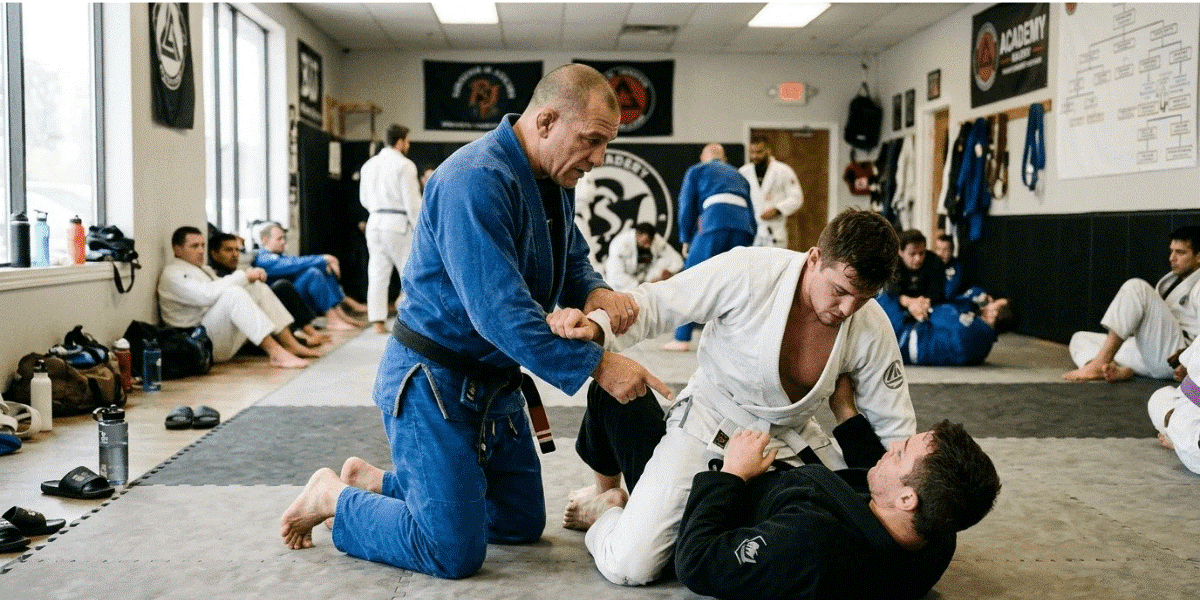
Your first weeks of jiu-jitsu can feel humbling, and that is completely normal. Almost everyone on the mat, including your instructors, started out making the same errors you are making now. The good news is that these habits are easy to correct once you can see them.
If you are in Lakewood and thinking about starting, this guide will help you spot what to watch for and move past it with confidence.
Why Beginners Repeat the Same Errors
Untrained bodies react to grappling in predictable ways. Panic, tension, and the urge to win each round lead new students toward the same common BJJ mistakes week after week. Because jiu-jitsu is a live sport, every roll gives you immediate feedback, but that feedback only helps when you understand what it tells you. Mistakes don't mean you lack talent. They give you information, and learning to read them speeds up your progress.
Nothing on this list is a character flaw. Most of the mistakes below grow out of instinct, nerves, and enthusiasm, which are all natural when you are learning something unfamiliar. Naming them gives you a clear target for your next class.
Technique Habits Behind Many BJJ Beginner Mistakes
1. Relying on Strength Instead of Technique
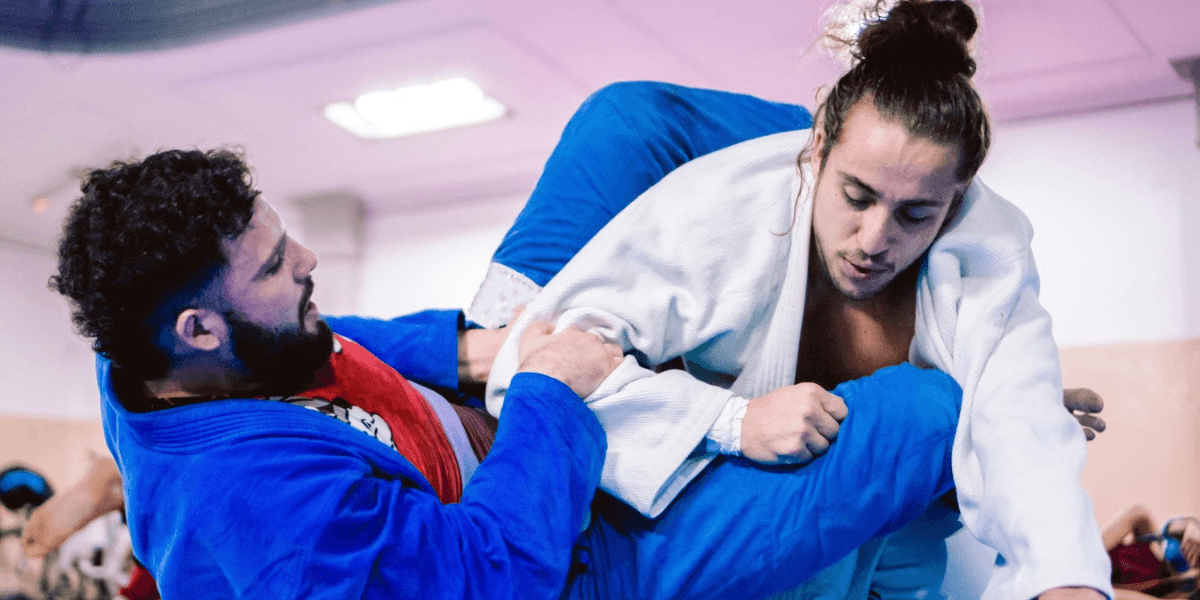
New students often muscle through positions and grip tightly, which drains energy within minutes and hides gaps in technique. After each roll, ask yourself where you used strength to cover for a missing movement, then drill that exact moment with a partner.
2. Holding Your Breath
Holding your breath during scrambles or submissions is a panic response that speeds up exhaustion. Exhale deliberately when you bridge, shrimp, or push. Relaxed breathing keeps your muscles supplied with oxygen and helps you think clearly.
3. Neglecting Defense
Highlight videos make offense look exciting, yet your first year is mostly about surviving and escaping. Spend at least half of your training focus on escapes and defense. Getting through a round with a higher belt without being submitted is a real win.
4. Not Moving Your Hips
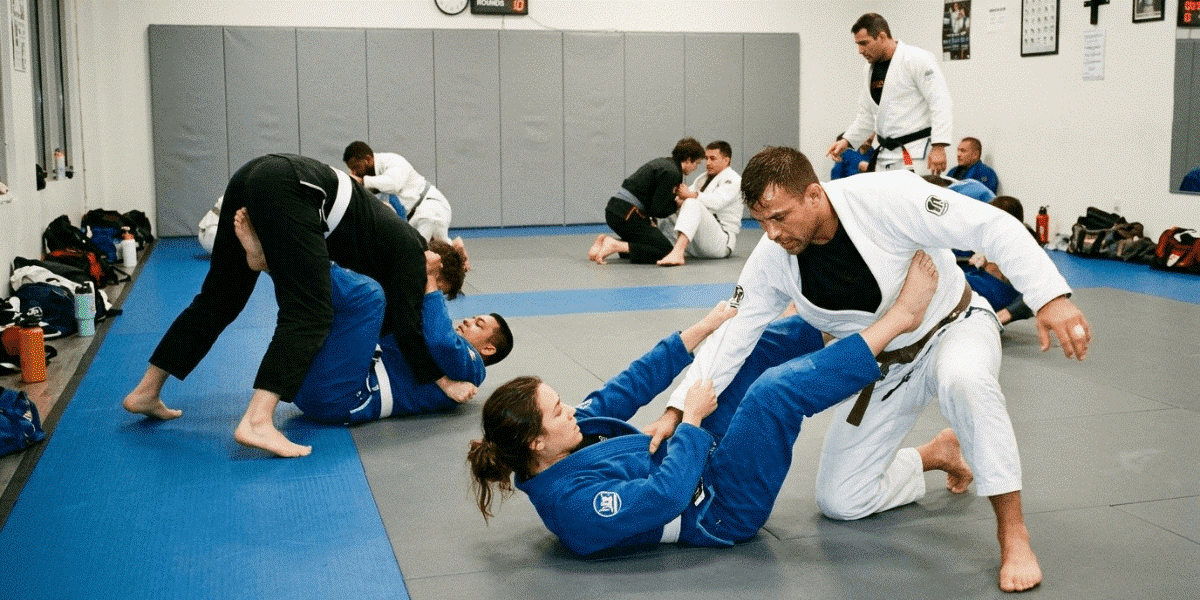
Escapes, sweeps, and many submissions begin with hip movement, yet beginners tend to lie flat with their hips pinned to the mat. Treat the shrimp as one of the most important movements in BJJ. When you feel stuck in sparring, shrimp first and think second.
5. Going for Submissions Too Early
Reaching for an armbar before you control the position often lets your partner escape into a better spot. Secure mount, side control, or back control first, then hunt for the finish. Rushed attacks also give your partner a chance to reverse the position.
Positioning, Safety, and Mindset Mistakes
The next five BJJ beginner mistakes involve how you position yourself, protect your body, and think about progress.
6. Crossing Your Ankles on Back Control
Taking the back feels dominant, so beginners often cross their feet to hold on. That habit hands an alert partner an easy foot lock, since they only need to cross a leg over your ankles and squeeze. Keep your hooks inside their thighs with your feet uncrossed, or learn the body triangle as a safer way to lock in.
7. Lying Flat and Pushing With Straight Arms
Lying flat on your back and pushing with extended arms is a reflex, but it removes your ability to move and gives the top person an armbar. Stay on your side, keep your elbows close, and use your forearms and shins as frames to manage distance.
8. Tapping Late and Training Through Pain
Resisting a submission longer than necessary can turn a small tweak into a long layoff. Tap early, and stop training when something hurts. A few days of rest protect your joints and keep you on the mat for years.
9. Rolling Too Hard With Every Partner
Treating every round like a fight makes smaller, newer, or older partners hesitant to train with you. Match your partner's energy and keep the pace controlled. Calm, technical rounds also give you more room to learn.
10. Comparing Yourself and Quitting Too Soon
Watching others earn stripes faster can drain your motivation. Instead, measure yourself against who you were last month. Many instructors suggest committing to at least six months before deciding if BJJ suits you, since progress often becomes visible around month four or five.
Keep these beginner BJJ tips handy as a quick reference for all ten mistakes.
| No. | Mistake | Quick Fix |
|---|---|---|
| 1 | Relying on strength | Drill the movement you skipped |
| 2 | Holding your breath | Exhale during effort |
| 3 | Neglecting defense | Prioritize escapes |
| 4 | Still hips | Practice shrimp drills |
| 5 | Early submissions | Secure the position first |
| 6 | Crossed ankles | Keep hooks without crossing |
| 7 | Flat back, straight arms | Stay on your side and use frames |
| 8 | Tapping late | Tap early and rest injuries |
| 9 | Rolling too hard | Match your partner's energy |
| 10 | Comparing and quitting | Track your own progress |
Mistakes tend to resurface when you feel tired or stressed, even at higher belt levels. Seeing them return does not mean you have gone backward. It simply means your habits are still settling, and steady practice keeps smoothing them out.
Want a supportive place to build these habits? The Sanctuary BJJ in Lakewood, Colorado, invites new students to step onto the mat and learn at a comfortable pace.
Beginner BJJ Tips for Your First Six Months
A few simple habits make the corrections above easier to apply.
Habits That Make Corrections Stick
Drill Before You Roll
Drilling lets corrections settle in, because you can focus on small details without the chaos of live sparring. Aim for at least as much drilling time as rolling time.
Ask Questions Early
Instructors would much rather answer a question than watch you practice a detail incorrectly for months. Upper belts often enjoy explaining a technique between rounds, too.
Respect Mat Hygiene
Trim your nails before every class, wash your gi after each session, and remove jewelry. These habits protect you and your training partners.
Adopt a Learning Mindset
After each roll, ask yourself what you learned rather than who won. Getting tapped then becomes a clue about where your defense needs work, and getting swept shows you where your balance breaks down. This one question changes how quickly you grow.
A Realistic Timeline
Many beginners stop relying on pure strength, learn to breathe, and start moving their hips within their first three months of steady training. Defensive awareness and better grips tend to follow during months four through six. Knowing this timeline helps you stay patient while your skills develop.
Lakewood residents who train around work and family schedules can still make steady progress. Two or three focused sessions each week, combined with rest and patience, give your body time to absorb new movements without burning you out.
FAQs
What are the most common BJJ mistakes beginners make?
Relying on strength, holding your breath, neglecting defense, keeping your hips still, and attacking too early top the list. Tapping late and rolling too hard also show up often.
What should beginners avoid in Brazilian Jiu-Jitsu?
Avoid crossing your ankles on back control, pushing with straight arms, training through pain, and comparing yourself to others. Leaving your ego at the door also helps you learn faster.
What mistakes should I avoid when starting BJJ?
Start with your breathing, since it affects everything else. Then work on defense and hip movement before chasing submissions.
What should I know before starting BJJ?
You do not need to be flexible before your first class. Expect to feel lost at first, plan to train consistently for several months, and keep your nails trimmed and your gi clean.
Final Thoughts
If you are wondering how to improve at BJJ as a beginner, the answer comes down to patience, consistent drilling, and a willingness to treat every mistake as useful feedback. Awareness and steady practice can correct every habit in this guide. Be kind to yourself on the mat, ask questions often, and trust that progress arrives gradually.
Ready to put these lessons into practice? The Sanctuary BJJ in Lakewood, Colorado, welcomes you to explore BJJ classes for adults with a free one-week trial and start training with confidence.