BJJ vs. Traditional Gym Workouts: Which Burns More Calories ?

Sweat drenches your gi within the first five minutes of a hard roll, and your grip gives out long before your legs do. That intensity raises a genuine question for anyone who splits time between the mats and the weight room: does grappling actually burn more energy than lifting? The BJJ vs. gym workout comparison matters because both training styles promise big fitness results, yet the science behind each type of exertion works differently.
Jiu-jitsu combines grip strength, explosive movement, and constant positional fighting into nonstop output. A traditional gym session focuses on controlled reps with rest built between sets. Understanding how these two styles actually stack up can help you plan smarter training and get closer to your fitness goals.
What Makes Brazilian Jiu-Jitsu a Calorie-Torching Workout
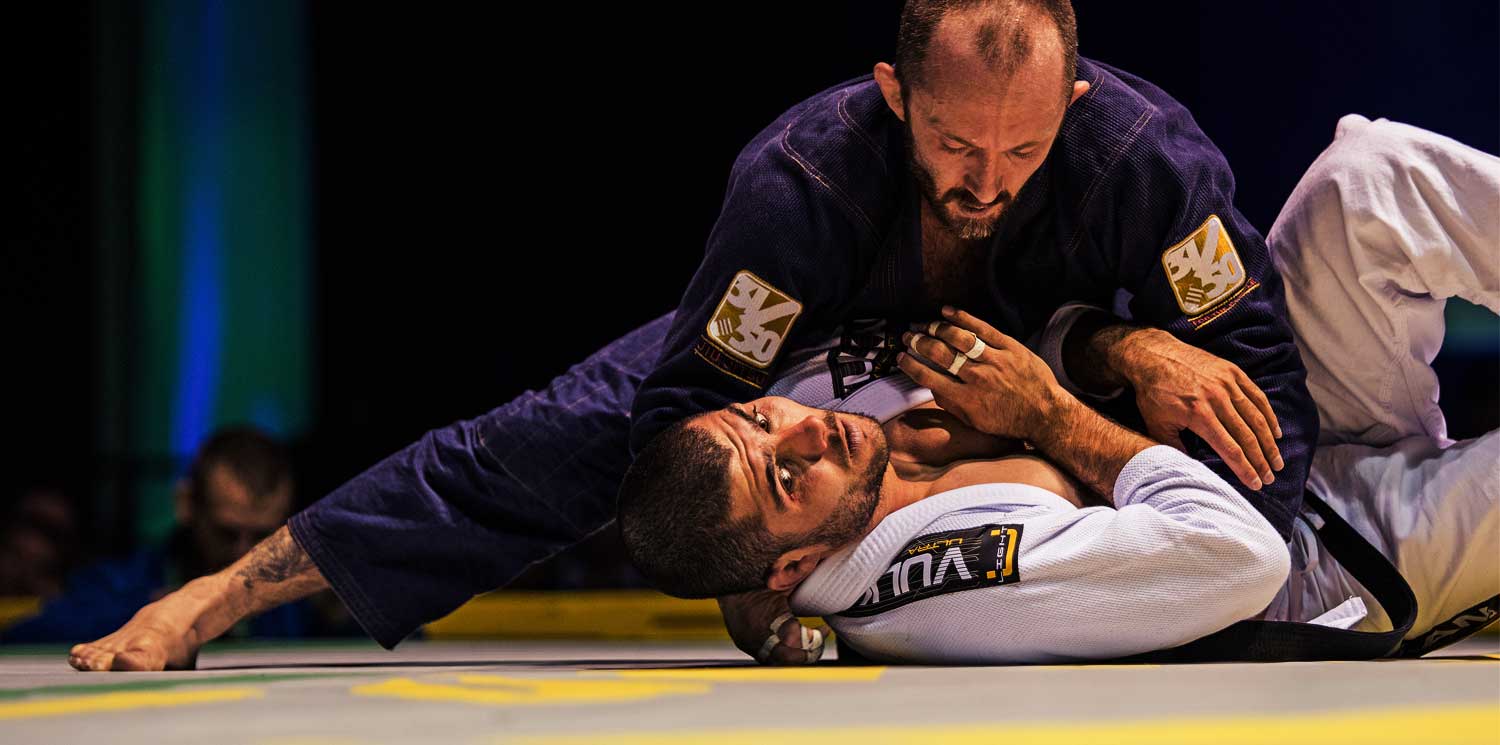
Jiu-jitsu combines gripping, movement, positional control, and resistance, creating a demanding full-body workout. Several aspects of training contribute to the physical intensity experienced during a typical BJJ class.
· Constant Grappling and Grip Fighting
Your hands and forearms constantly work for control during a BJJ round. Squeezing, pulling, and framing against resistance build muscular endurance while raising your heart rate. Limited rest keeps your grip, forearms, and shoulders engaged throughout training, supporting sustained calorie expenditure.
· Explosive Takedowns and Scrambles
A takedown attempt or a scramble to escape a bad position calls on fast-twitch muscle fibers and short bursts of full-body power. These explosive movements spike your energy output quickly, similar to sprint intervals, and they repeat throughout a single class.
· Full-Body Muscle Activation
Jiu-jitsu recruits your legs, core, back, shoulders, and arms in almost every exchange. Grappling forces multiple muscle groups to fire together to maintain position or escape pressure, which raises overall energy demand well beyond a single-muscle exercise.
· High Heart Rate Throughout Class
A study from the Norwegian University of Science and Technology found that experienced BJJ athletes averaged about 85% of their maximum heart rate during sparring. A sustained elevated heart rate contributes to the high energy demand that makes BJJ such a calorie-intensive workout. Warm-ups, drilling, and live rolling can keep your heart rate elevated across a class.
· Mental Focus That Drives Physical Effort
Positional puzzles solved under pressure add a cognitive layer alongside the physical demands of training. This mental component requires practitioners to make decisions while sustaining physical effort during each demanding gym set.
How Traditional Gym Workouts Burn Calories
Gym training burns calories through a different pattern.
· Controlled Reps and Rest Periods
A typical strength session involves short sets of focused effort followed by rest between sets. According to Harvard Health Publishing, a person weighing 155 pounds burns about 108 calories during 30 minutes of general weight lifting, reflecting built-in recovery breaks between exercises, not a lack of effort.
· Muscle Building Over Time
Weight training stimulates adaptations in muscle fibers that develop over the following days. These adaptations can affect energy needs, meaning strength training provides benefits beyond the calories burned during the gym session. Over months of consistent training, this added muscle mass can meaningfully raise the number of calories your body burns even on rest days.
· Cardio Machines Add Variety
Treadmills, rowers, and bikes let gym-goers add steady-state or interval cardio to a routine. These machines can push calorie burn higher than lifting alone, though the numbers still depend heavily on speed, resistance, and duration. A well-planned gym session that mixes lifting with cardio intervals can close some of the calorie gap seen with grappling.
BJJ vs. Gym: A Side-by-Side Look at Calorie Burn Potential
Exact calories burned can vary significantly between BJJ and gym workouts, so a single number rarely tells the full story. This comparison focuses on the training factors that influence calorie burn, since these patterns can apply across different body types and fitness levels.
Factor
Brazilian Jiu-Jitsu
Traditional Gym Workout
Primary energy systems used
Aerobic and anaerobic systems working together throughout the round
Mostly anaerobic during lifting, aerobic if cardio machines are added
Rest pattern
Minimal downtime, with near-constant movement and grip engagement
Structured rest built between sets
Muscle groups engaged
Full-body, working together in most exchanges
Usually one or two targeted muscle groups at a time
Heart rate pattern
Sustained elevation close to threshold for long stretches
Rises and falls with each set and rest period
Calorie burn over time
Can vary during the session, depending on intensity, duration, and overall exertion
Varies during the session, with modest post-exercise energy expenditure after resistance training
Does BJJ Burn More Calories Than Gym Training?
Jiu-jitsu can provide substantial calorie expenditure. Grappling involves repeated movement, resistance, and changes in intensity throughout a session. Drilling, positional work, and live rolling place different demands on the body so that energy expenditure can vary within a single class.
Traditional weight training focuses more directly on resistance exercises, and calorie expenditure depends on exercise selection, training intensity, session length, and rest periods. Comparing the two depends on how each workout is structured, since a BJJ class and a weight-training session can differ considerably in duration, intensity, and active time.
No single workout style covers every fitness goal. The Sanctuary BJJ brings energy, structure, and community together through strength-training group fitness classes built for real progress. Reach out today to book your first session!
BJJ vs. Weightlifting for Weight Loss
Weight loss depends on maintaining an overall energy deficit over time, not on the calories burned in one workout. BJJ can provide vigorous physical activity, while weightlifting can support strength and muscle retention during a weight-loss phase. Consistency also matters because a training routine that fits a person's preferences and schedule may be easier to maintain over time.
Weightlifting matters during weight loss because resistance training can help preserve lean muscle mass when paired with an appropriate diet. BJJ can add cardiovascular and full-body activity to a training routine, while resistance training provides a different stimulus for the muscles. Sleep, daily activity, diet, and overall energy intake also affect weight-loss results, so no single workout guarantees weight loss.
Quick Tips to Get More Out of Either Workout
A few simple habits can help you get more value from grappling, lifting, or both, no matter which one fills your schedule this week.
● Track effort level and consistency, not just calories on a screen.
● Aim for three to four sessions a week for steady, visible progress.
● Get seven or more hours of sleep so your body can recover fully.
● Eat protein before and after training to support muscle repair.
● Pair grappling nights with structured lifting days for balanced results.
● Stay hydrated before, during, and after every session on the mats or in the gym.
Frequently Asked Questions
1. Does BJJ Burn More Calories Than Lifting Weights?
It can, depending on intensity. BJJ sparring keeps your heart rate elevated, while lifting includes rest periods between sets that can affect average calorie burn per hour.
2. Is BJJ Better Than The Gym For Losing Weight?
BJJ can burn substantial calories per session, but weight loss also depends on diet, consistency, and recovery. A combination of grappling and structured gym training supports steadier fat loss over time.
3. How Many Calories Does An Hour Of BJJ Burn Compared To A Gym Workout?
An hour of BJJ can provide a demanding workout, with calorie expenditure varying by body weight, intensity, and class structure. Weight training also burns calories, with energy use influenced by exercise selection, rest periods, and workout intensity.
4. Can BJJ Replace My Regular Gym Routine?
BJJ builds cardiovascular fitness, grip strength, and core stability, but it does not fully replace structured strength training. Most practitioners combine both for balanced, well-rounded results, using the mats for skill and conditioning and the gym for targeted strength gains.
Final Thoughts
Grappling and lifting each bring real value to a fitness routine, and neither approach needs to stand alone. BJJ provides full-body movement and conditioning, while gym workouts can build targeted strength and support muscle retention during weight loss. You don't need to choose one over the other, since combining both can provide complementary training benefits. The BJJ vs. gym workout comparison depends on your goals, your schedule, and what you can maintain consistently.
The right training mix comes down to what keeps you consistent over time. The Sanctuary BJJ offers group personal training built around your specific goals and schedule. Connect with us today for a stronger, more consistent routine!