What to Wear to Your First BJJ Class (Gi vs. No-Gi Basics)
Executive Summary: New students often wonder what to wear before starting Brazilian Jiu-Jitsu. Gi training uses a woven cotton uniform for grip-based control, while no-gi relies on rash guards and shorts for a faster, scrambling-focused pace. Gear needs differ by format, and most academies let beginners start in simple athletic clothing before investing in gi or no-gi equipment.
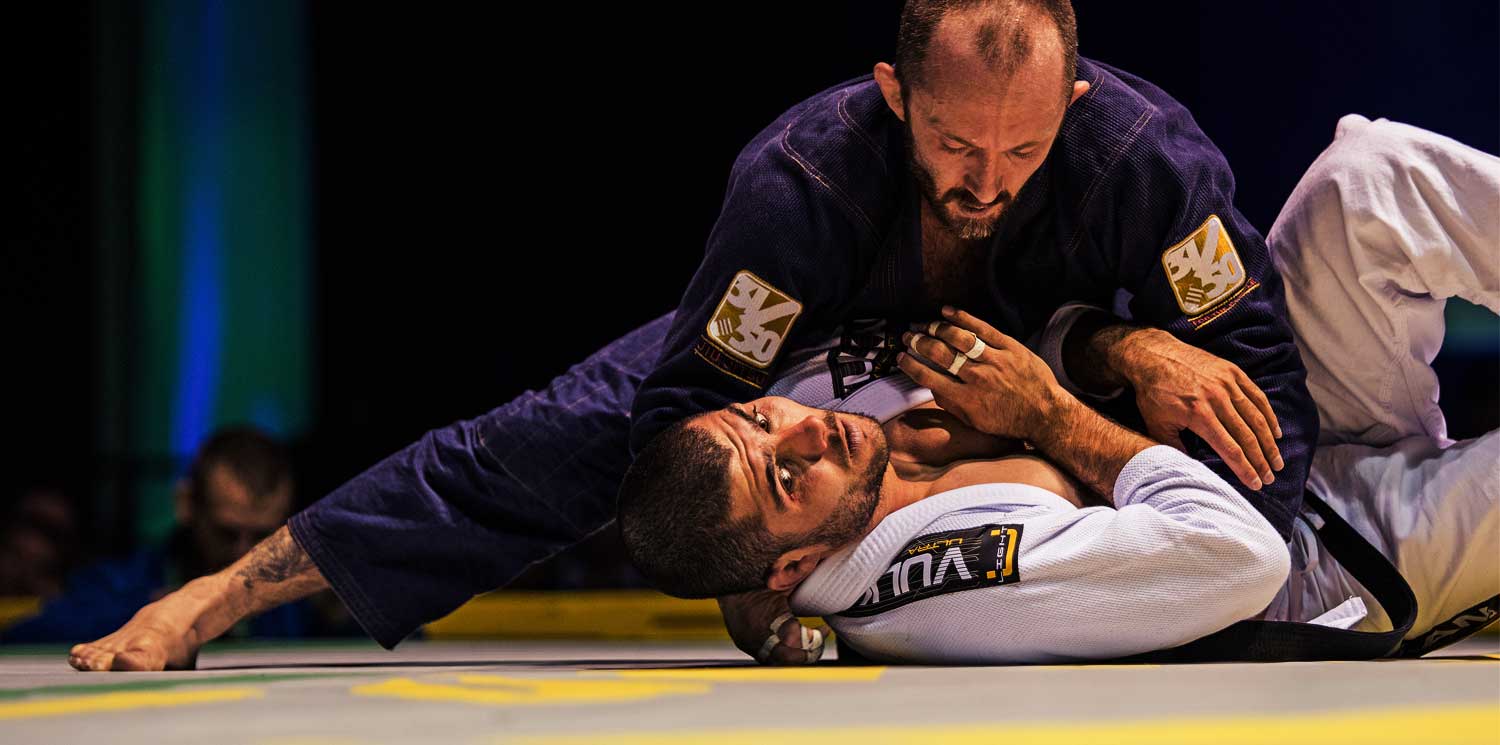
Most sports let clothing stay decorative. Grappling does not. The moment a training partner closes a hand around a collar, fabric stops being an outfit and becomes equipment, and loose clothing becomes a handle someone else gets to use. That single fact explains the heavy cotton gi, the second-skin rash guard, the shorts built without a pocket anywhere.
Every item on a BJJ beginner gear list serves a specific purpose that can matter during the first class. Sorting out which problems apply is the whole job, and it takes one article rather than one wasted semester.
BJJ Gear: The Basics for Beginners
Brazilian Jiu-Jitsu is a grappling art, so clothing serves a practical purpose beyond appearance. Fabric affects the grips available to a training partner, while fitted clothing can help reduce loose material during movement. The International Brazilian Jiu-Jitsu Federation (IBJJF) sets specific uniform requirements for both gi and no-gi competition, reflecting clothing's practical role in grappling.
The full BJJ starter kit breaks into three groups. Uniform items provide appropriate training clothing, while protective and hygiene items support safety and cleanliness during close-contact training. Competition requirements can also differ between gi and no-gi formats.
Many people wonder, "do I need a gi for my first BJJ class?" You don't need to buy everything at once. Academy requirements vary, so beginners can check with their gym before purchasing equipment. Start with the essentials and add gear as training becomes regular to avoid unnecessary purchases.
Gi vs. No-Gi BJJ for Beginners: What Actually Separates Them
Understanding the differences between the two BJJ formats starts with the uniform, grip options, and pace of each.
· The Gi Uniform and Its Grip-Based Game
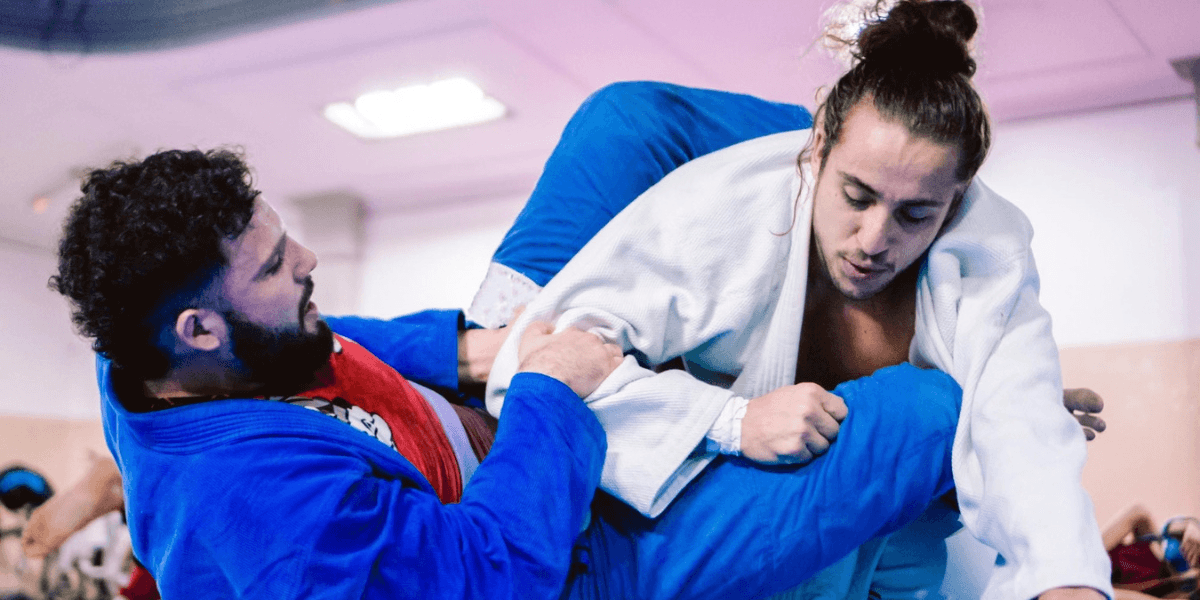
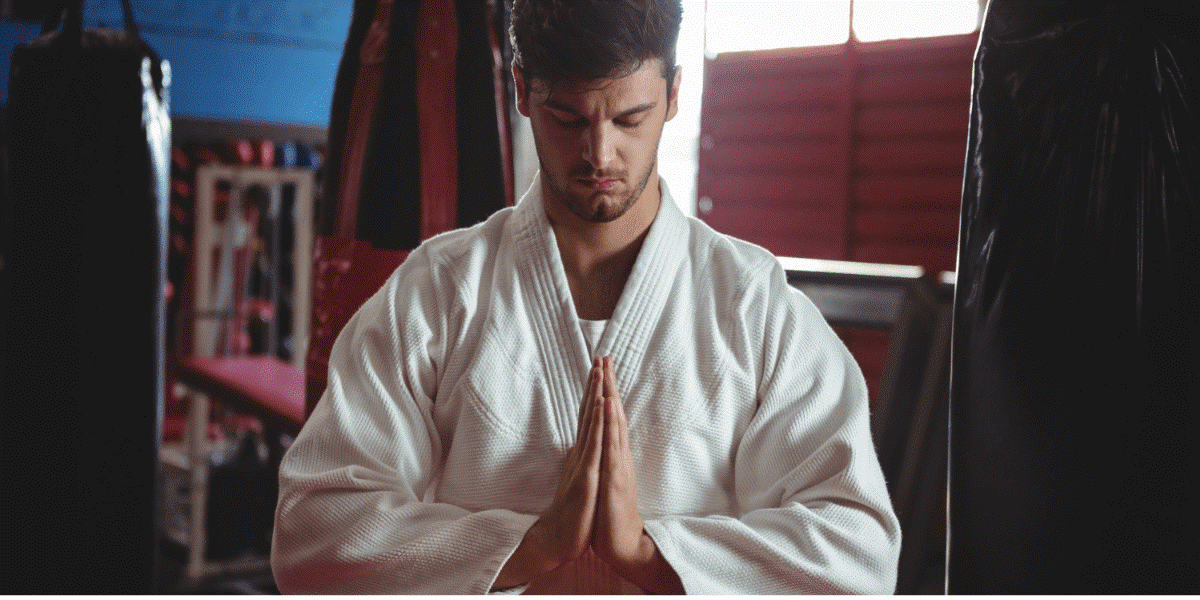
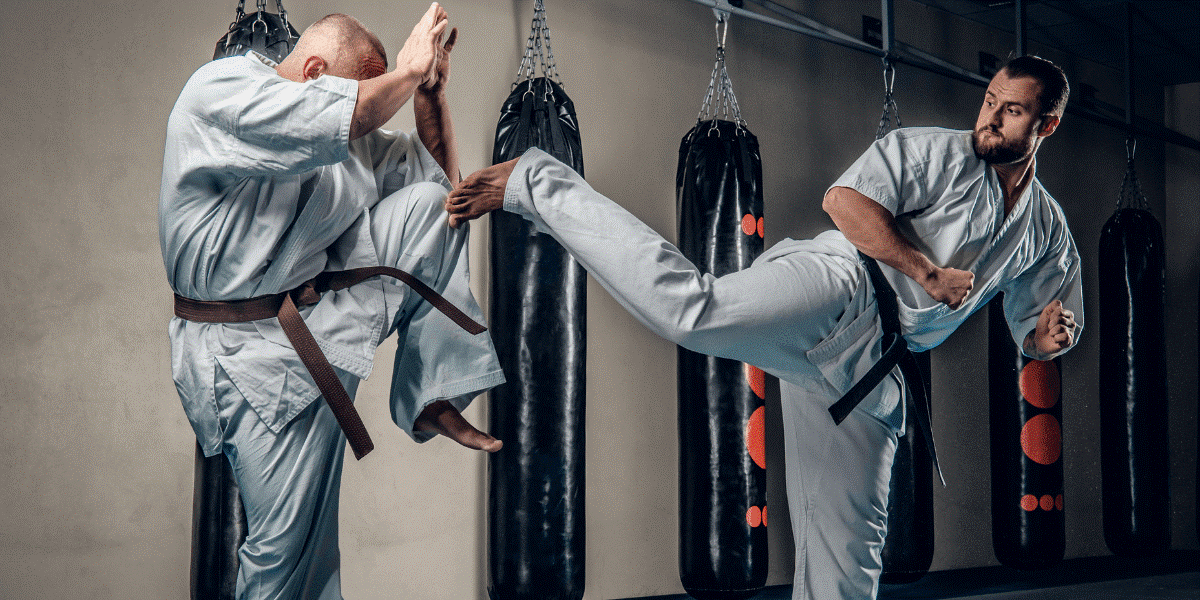
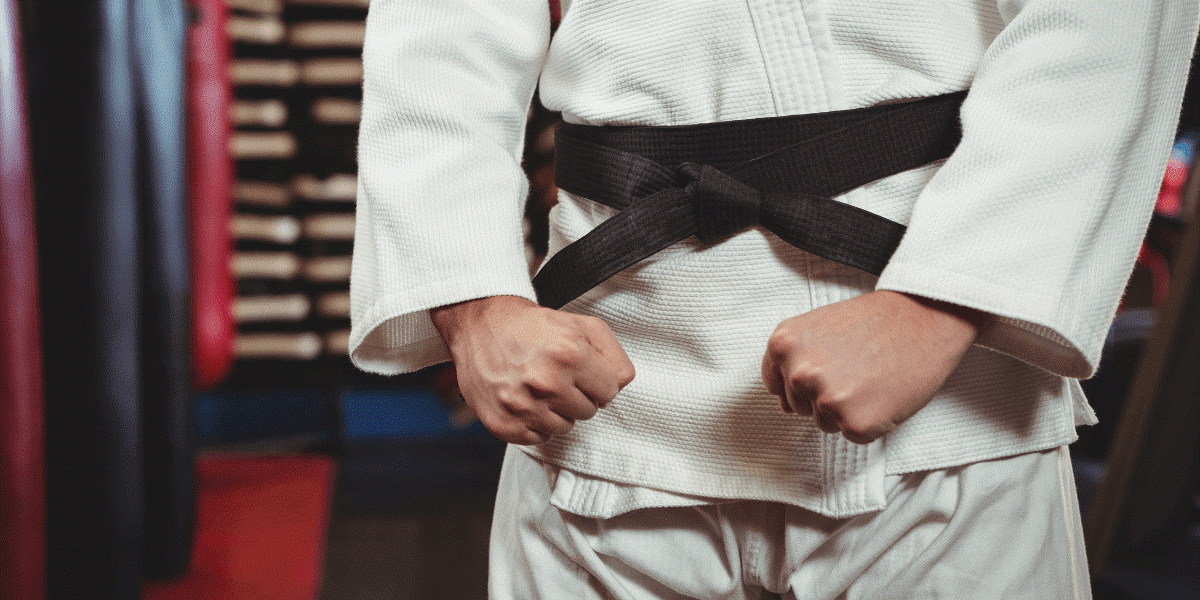
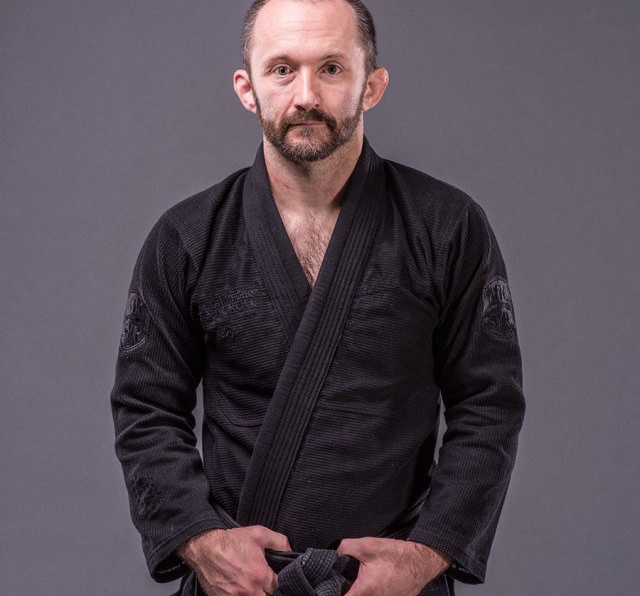
The gi, also called a kimono, traces back to Japanese martial arts and uses a woven cotton fabric designed for repeated gripping during training. Collar chokes, sleeve grips, and lapel guards belong only to this format, and grips can help beginners learn each position at a more controlled pace. IBJJF competitions include gi and no-gi formats, while individual schools decide which formats they emphasize in regular training.
· The No-Gi Setup and Its Faster Pace
No-gi swaps the jacket for a rash guard along with grappling shorts or spats, and athletes rely more on body grips for control. Underhooks, wrist control, and body locks become the main tools since there is nothing loose to grab onto. Scrambles can happen quickly, so no-gi rolls often move at a higher tempo and emphasize movement and positional control.
· Which Style Beginners Usually Start With
Some academies introduce new students to the gi first because its grips provide structure while students learn positions step by step. Grips also teach control in layers, and those skills can carry over when a student tries no-gi later on. A slower, technical start gives total beginners more time to understand positions, movement, and control before moving into faster-paced rolls.
Your BJJ Beginner Gear: The Complete Starter Kit
A simple beginner gear list covers a handful of items that work for gi and no-gi students alike.
· A Gi That Fits Without Bunching
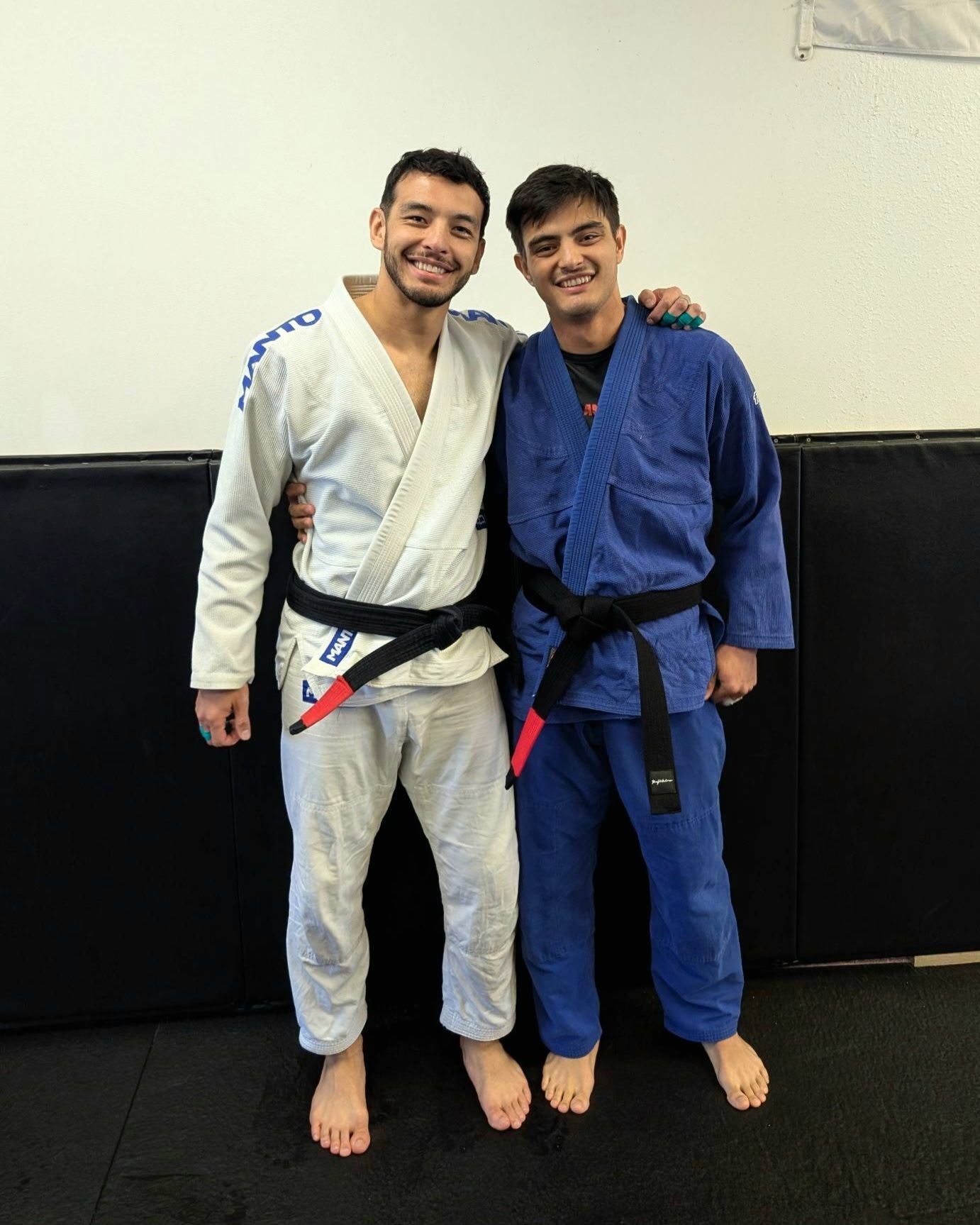
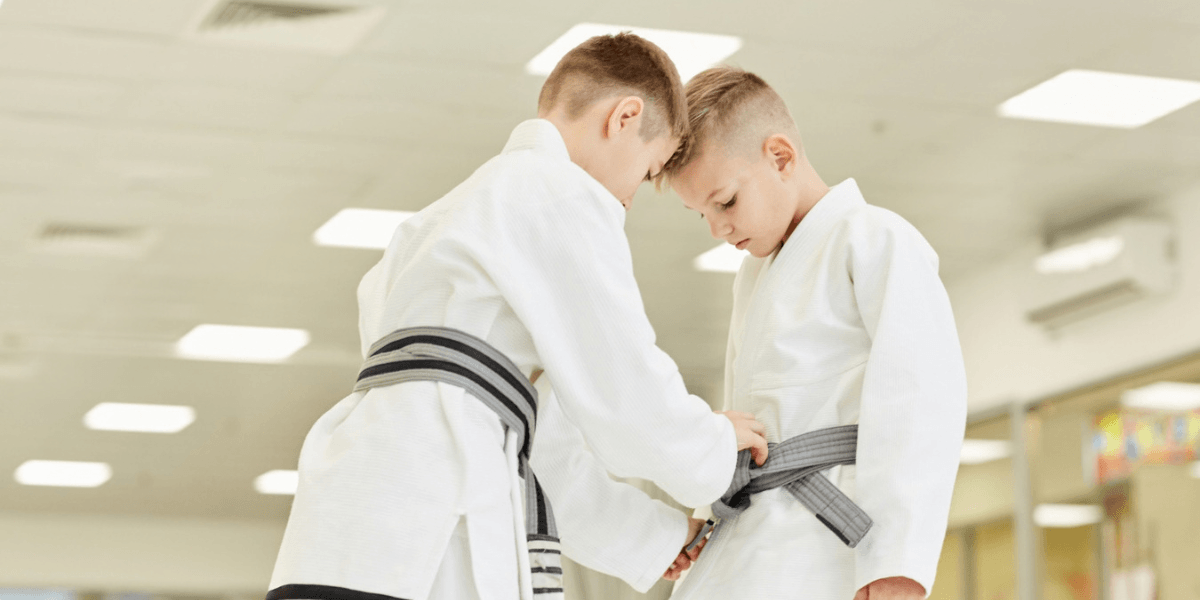
A well-fitted gi sits snug through the shoulders and waist without loose fabric bunching at the sleeves or pants. Many brands use A-series sizing, and white or blue gis are common beginner choices at many schools. Pre-shrunk cotton limits shrinkage after repeated washing, which matters since a gi needs washing after every session.
· A Rash Guard for Skin Protection
A rash guard is a tight, moisture-wicking top worn under the gi jacket or on its own during no-gi training. Constant contact with the mat and training partners creates friction, and a long-sleeve rash guard can help reduce mat burns and skin irritation. Keeping a clean rash guard for every training session is a simple hygiene habit that can help limit skin-related issues.
· Grappling Shorts or Spats for No-Gi
No-gi shorts often skip zippers, pockets, and buttons since these features can create risks during live rolling. Spats, which are tight leggings, add extra coverage during training and can reduce direct skin contact during longer rounds. Either option should feel snug rather than baggy, since loose fabric gets grabbed just as easily as a gi jacket.
· A Mouthguard for Safety
A basic mouthguard protects teeth during scrambles and accidental contact, and it costs very little compared to a dental bill. Boil-and-bite versions from a sporting goods store work fine for the first few months of training. Custom-fitted mouthguards become worth the extra cost once a student competes or trains several times a week.
· Slides or Sandals for the Locker Room
Bare feet on locker room floors and bathroom tile can expose students to bacteria and fungi on shared surfaces. Slides or flip-flops solve that problem and take seconds to slip on between the mat and the shower. Keeping a pair in a gym bag means one less thing to think about before class starts.
· Nail Clippers and Basic Hygiene Items
Long fingernails and toenails can scratch training partners and create avoidable hygiene concerns during close-contact training. Trimming nails before every class is a small habit that keeps everyone safer on the mat. A small hygiene kit with deodorant, hand sanitizer, and a spare shirt rounds out a solid beginner bag.
Gi vs. No-Gi BJJ Beginner Kit at a Glance
The table below compares the key differences in clothing, grips, pace, and training emphasis for beginners.
Category
Gi Training
No-Gi Training
Uniform
Cotton jacket, pants, belt
Rash guard, shorts or spats
Grip style
Collar, sleeve, pant grips
Underhooks, wrists, body clinch
Pace
Often more controlled
Often more scrambling
Clothing feel
Heavier and more structured
Lighter and more flexible
Main control tools
Fabric grips and positional control
Body control, underhooks, and wrist control
Common focus
Learning positions and grips
Developing movement, speed, and scrambling skills
Tips for Choosing BJJ Gear
A few simple choices can make your first BJJ classes more comfortable, practical, and hygienic.
● Check the academy's clothing rules: Ask about gi requirements, no-gi clothing, and loaner equipment before your first class.
● Choose fitted clothing: Rash guards and snug athletic clothes reduce loose fabric that can get caught during training.
● Keep your gear clean: Wash gis, rash guards, shorts, and other training clothes after every session.
● Pack basic hygiene items: Bring nail clippers, deodorant, a spare shirt, and shower sandals for use around the gym.
● Consider a mouthguard: A basic mouthguard can protect your teeth during accidental contact and intense scrambles.
● Wait before buying everything: Attend a few classes first, then choose a gi, rash guard, or other equipment based on your academy's requirements and your training routine.
Frequently Asked Questions
1. Do I Need A Gi For My First Jiu-Jitsu Class?
Most gyms do not require a personal gi for your first class. Some provide loaner gis, while others allow athletic clothing. Check the academy's requirements beforehand and wear fitted clothes without zippers, buttons, or pockets.
2. What's The Difference Between Gi And No-Gi BJJ?
Gi training uses a cotton uniform that allows grips on the collar, sleeves, pants, and lapel. No-gi uses rash guards and shorts or spats, relying more on underhooks, wrist control, body locks, and faster scrambles during training.
3. Can I Wear Regular Gym Clothes To A BJJ Class?
Regular gym clothes can work for a first no-gi class when the academy permits them, as long as they have no zippers, buttons, or pockets. Avoid loose clothing that can catch during training. Basic BJJ starter kit becomes useful for regular classes.
4. What Is A Gi In Brazilian Jiu-Jitsu?
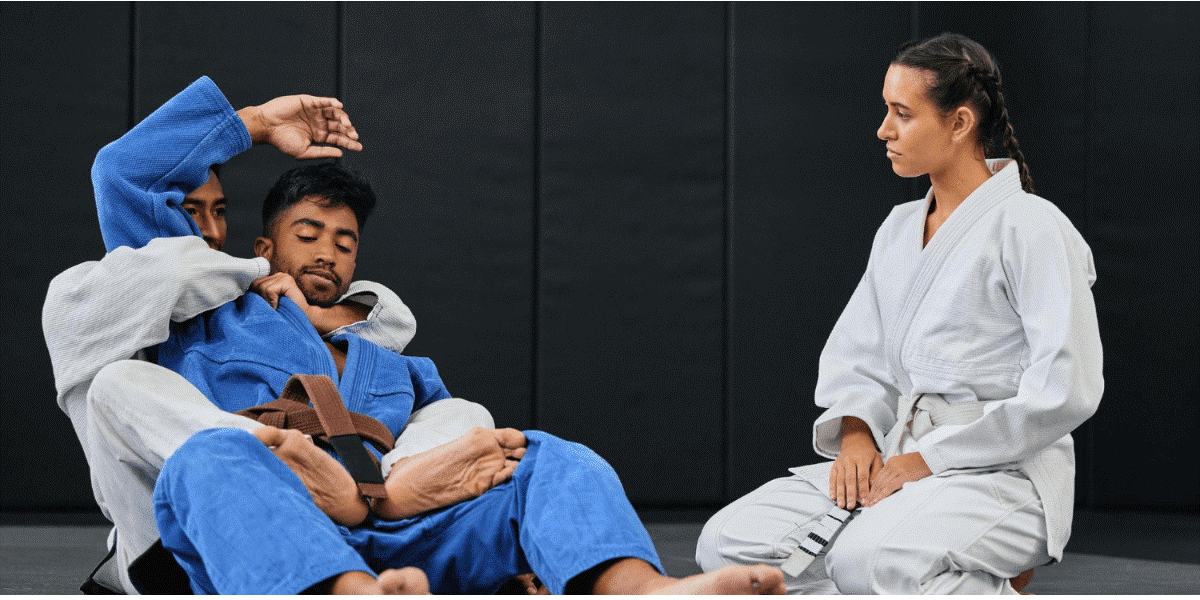
A gi is the traditional BJJ uniform, consisting of a jacket, reinforced pants, and belt. Its fabric allows grips on the collar, sleeves, pants, and lapel. Gi-specific techniques include collar chokes, lapel guards, and fabric-based controls.
5. Is It Better To Start BJJ With Gi Or No-Gi?
Neither format is universally better for beginners. Gi training offers fabric-based grips and often a slower pace, while no-gi emphasizes body control and faster scrambles. Trying both formats can help beginners understand their preferences and goals.
Conclusion
Gear should never stand between a beginner and a first class on the mat. A rash guard, simple shorts, and a willingness to show up can cover a first class when the academy permits them. The BJJ gi vs. no-gi debate usually comes down to comfort, training preferences, and the classes a gym offers. Both formats develop core grappling skills while using different grips and clothing. Focus on attending consistently, learning proper technique, and building confidence first. The right gear can follow naturally as training becomes part of your routine.
As your routine takes shape, the right training can help you keep building momentum. The Sanctuary BJJ offers group fitness classes for beginners who are ready to get started. Contact us today and make your next workout the start of a stronger routine!